
On this pageShow
If you search “do I need a licensed mold assessor in NY,” the honest answer is yes for most real jobs — and the statute is New York Labor Law Article 32, administered by the Department of Labor. Rochester Restoration and assessor sites already rank because they explain that law. This page is Rock Emergency’s version for homeowners in Rochester, Greece, Webster, Henrietta, and Irondequoit.
Key Takeaways
- The same company cannot legally assess and remediate the same mold job in New York when Article 32 applies.
- A licensed mold assessor writes the plan. A licensed remediator executes it. A licensed worker performs the labor under the remediator.
- Projects greater than 10 square feet of mold generally trigger the full process, including clearance.
- Rock Emergency is the remediator. We help you schedule assessment. We do not pretend to be both.
What Article 32 Actually Requires
Article 32 exists because unlicensed “bleach and paint” work made people sick and spread spores. The law requires NYSDOL licenses for mold assessment, remediation, and mold abatement workers. The assessor inspects, samples as needed, and writes a work plan. The remediator follows that plan under containment. The assessor (or another independent assessor) returns for post-remediation verification. Official details live on the NY DOL mold program page — this article is the homeowner walkthrough, not a substitute for the statute.
Assessor vs Remediator vs Worker
- Licensed mold assessor: independent inspection and plan. Cannot remediate that same project.
- Licensed mold remediator: containment, removal, HEPA cleaning, following the plan. Cannot assess that same project.
- Licensed mold abatement worker: does the physical work under the remediator.
Anyone offering to “inspect, quote, and tear out today” on a job over 10 square feet is asking you to skip the law. That is a red flag, not a convenience.
The 10 Square Foot Threshold
Small spots on a shower surround can sometimes be cleaned by a homeowner following EPA small-area guidance. Visible growth across basement walls, attic insulation, or a crawl space in a Rochester colonial is almost never under 10 square feet once you measure the actual footprint — not the one stain you can see from the stairs.
Why This Matters in Greater Rochester
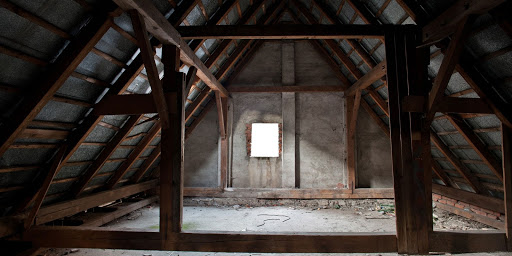
Lake Ontario humidity, ice-dam attic leaks, sump failures, and cool masonry basements grow mold on a schedule. After water damage, the EPA still cites a 24–48 hour drying window. If that window is missed, you are in Article 32 territory, not a weekend DIY project. Supporting pages: attic, basement, and crawl space mold remediation.
What Rock Emergency Does (and Does Not Do)
We remediate. We contain, remove contaminated materials, HEPA-clean, and wait for the assessor’s clearance. We explain how a mold inspection works so you know what to expect from the licensed assessor. We are Rock Emergency Services Inc., 69 Seneca Ave — not Rock Environmental (rockenv.com).
What the Process Costs
Assessment itself is commonly $300–$900. Remediation in Monroe County typically runs $1,500–$8,000 depending on square footage and whether drywall or insulation comes out. Insurance may apply when mold follows a sudden covered water loss. The assessment invoice is often separate — ask the assessor and the carrier before work starts.
FAQ
Can Rock Emergency write my Article 32 plan?
No. Not on a job we will remediate. That independence is the point of the law.
What if the area is under 10 square feet?
You may still want a professional opinion. Hidden moisture behind the visible patch is common. We will tell you honestly if the job is small-area cleaning versus licensed remediation.
For water that is still wet, call 585-501-3606 first — dry the building, then assess mold if it appears.