
Climate ControlService
Rochester, NY & Surrounding Areas
Temporary heating, cooling, and dehumidification for Rochester homes during water, fire, and mold restoration. Commercial-grade equipment protects your structure, air quality, and belongings.
Professional Climate Solutions
Dehumidification, air scrubbing & temp HVAC
Complete Climate Services
When Moisture Takes Over, We Control the Environment
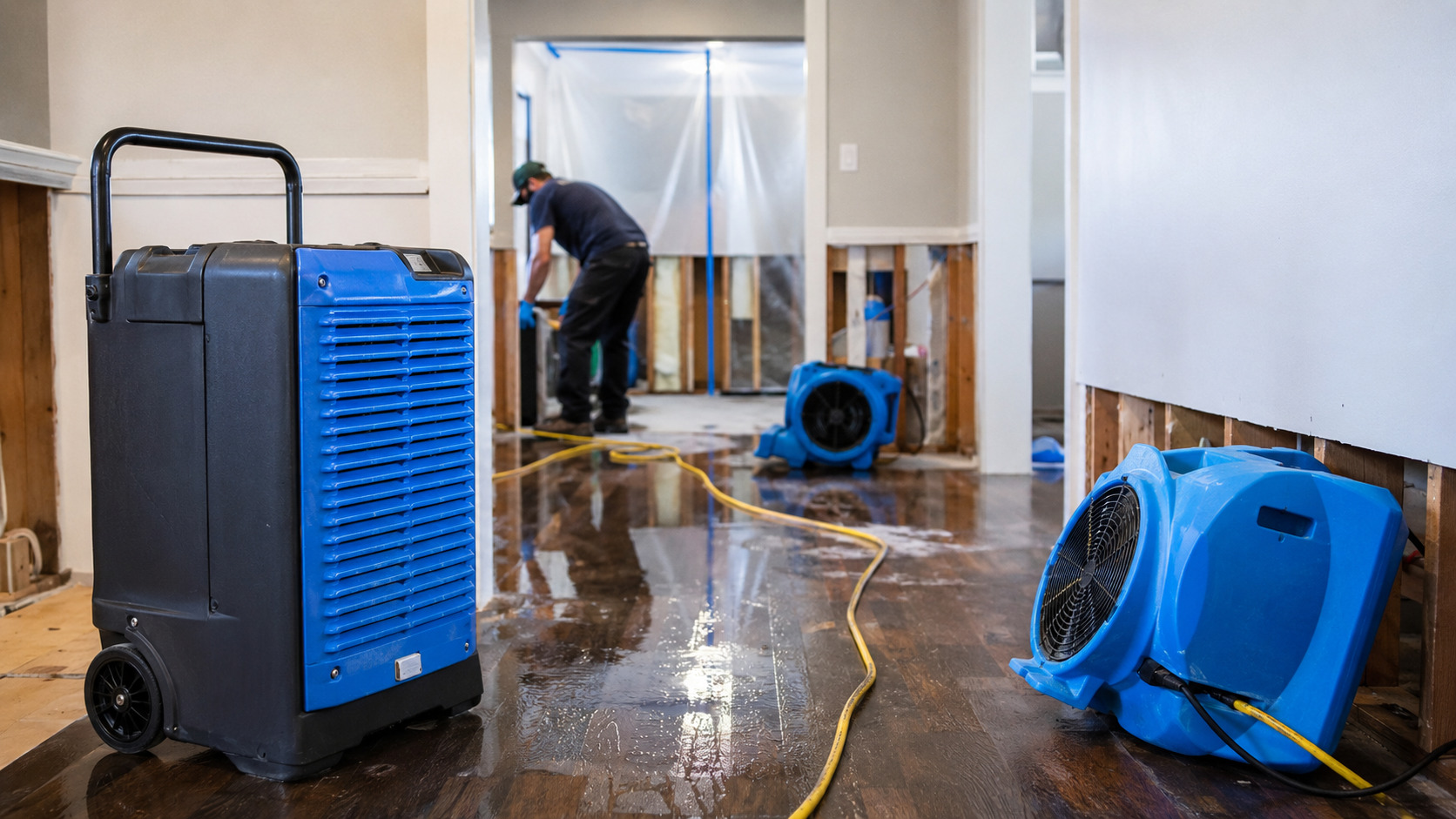
After water, fire, or storm damage, uncontrolled humidity destroys drywall, flooring, inventory, and finishes fast. Our commercial climate control services deploy industrial dehumidifiers, air scrubbers, and temporary heating or cooling to stabilize your property, support structural drying, and prevent mold—coordinated with extraction and rebuild as one restoration team so you can reopen sooner.
Our Promise to You
Answer your call immediately — real people, 24/7/365
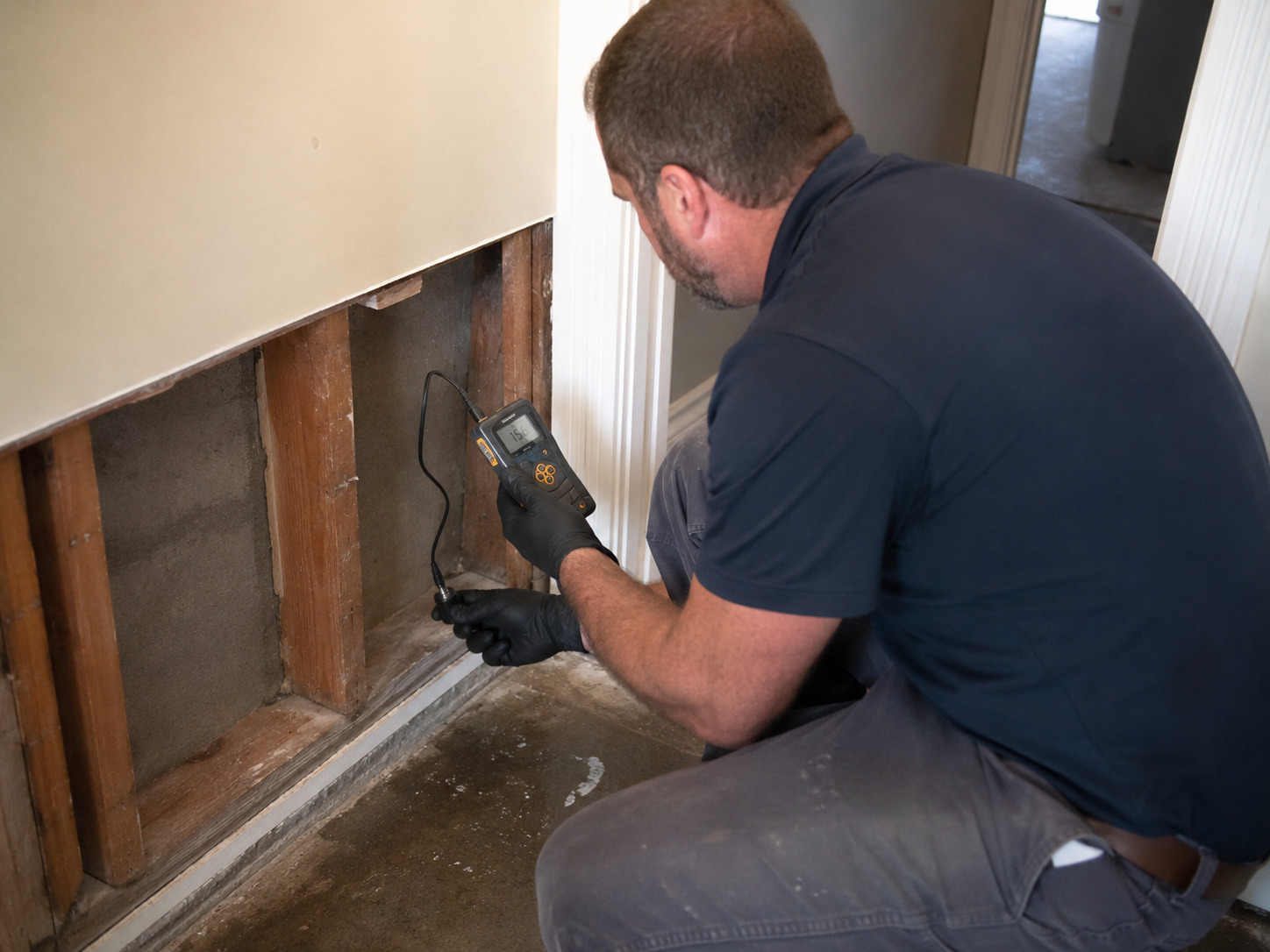
Provide a free moisture assessment and drying plan for your property
Deploy commercial-grade dehumidifiers and air scrubbers fast
Monitor humidity and air quality with daily documented readings
Adjust equipment placement as drying progresses
Never leave until target dryness is verified and documented
Mold Starts Fast
Mold can begin within 24–48 hours of uncontrolled moisture. We deploy climate equipment immediately to protect structure and belongings while drying stays on track.
Air Quality Matters
Soot, spores, and dust spread through HVAC systems. HEPA filtration and containment protect your family while work is underway.
One Team, Full Recovery
Climate control is integrated with water extraction, odor removal, and reconstruction—not a separate vendor juggling your job.
Climate Control
Solutions Offered
Complete climate services for commercial restoration
What Climate Control Is Used For
Common scenarios where climate control is essential during home restoration
Water Damage Drying
Structural drying after floods and leaks
Fire & Smoke Recovery
Air scrubbing and odor control on-site
Mold Remediation
Negative air and humidity control
Basement Floods
Dehumidify below-grade spaces fast
Winter Pipe Bursts
Temporary heat during cold-weather drying
Occupied Homes
Isolate work areas and protect air quality
Contents Protection
Stable conditions for salvageable items
Insurance Documentation
Logged moisture readings for claims
Why Choose Rock Emergency
Right-Sized Equipment
Commercial dehumidifiers, air movers, and scrubbers matched to your loss—not over- or under-powered.
Mold Prevention
Proper humidity control stops secondary damage before mold can take hold.
Certified Technicians
IICRC-trained crews place, monitor, and adjust equipment throughout the drying process.
Fast Deployment
Equipment on-site quickly because every hour of uncontrolled moisture matters.
Integrated Recovery
Climate control works with extraction, demolition, and rebuild under one accountable team.
Insurance-Ready Docs
Moisture logs and drying records support your claim from day one.
COMPLETE CLIMATE SERVICES
Customized Solutions for Your Needs
Climate control setups are customized for your loss type—retail floods, multi-unit water damage, fire and smoke, or mold remediation. We place dehumidifiers, air movers, scrubbers, and temporary heat or cooling where they work best, monitor daily, and coordinate with the rest of your restoration so your property dries safely and your claim stays documented.
Need temporary HEPA equipment during wildfire smoke or outdoor air-quality events without a full restoration project? See commercial HEPA air filtration rental.
- Commercial Dehumidification
- HEPA Air Scrubbing
- Temporary Heating & Cooling
- Moisture Monitoring & Logging
- Mold Prevention Protocols
- Integrated Restoration Support
COMMERCIAL SERVICES
- Emergency Response
- Water Damage Repair
- Fire Damage Repair
- Mold Damage
- Storm Damage Recovery
- Water Removal & Extraction
- Smoke Damage & Soot Removal
- HEPA Air Filtration
- Mold Removal & Remediation
- Flood Damage Cleanup
- Contents Restoration
- Lithium Fire Cleanup
- Document & Media Recovery
- Environmental Services
- Asbestos & Lead Paint Abatement
- Biohazard Cleaning Services
- Industrial Shrink Wrap