
On this pageShow
Rochester summers are famous for lake-effect humidity. When overnight lows stay warm and dew points climb, basements and crawl spaces stop drying between rain events. That persistent moisture is exactly what mold needs—especially dark, cellulose-rich surfaces like paper-faced drywall, cardboard storage, and wood framing.
Rock Emergency Services Inc. (69 Seneca Ave, Rochester, NY 14621) is the locally owned restoration company behind this article — not Rock Environmental (rockenv.com). We dispatch 24/7 for mold remediation across Rochester, Greece, Webster, Henrietta, and Irondequoit. Call 585-501-3606.
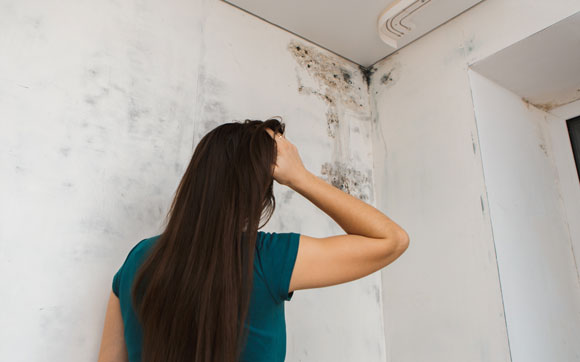
“Black mold” is a popular phrase for dark-colored growth that may include Stachybotrys and other species. Color alone does not identify species or toxicity, but any unexplained mold growth after a wet summer should be taken seriously. Rock Emergency helps homeowners move from worry to a clear plan: inspect, contain, remediate, and fix the moisture source.
Key Takeaways
- Humidity is a moisture source — You do not need a flood for mold—chronic damp air is enough.
- Basements lead summer claims — Cool concrete walls condense humid air on hot days.
- Do not rely on color — Many molds look dark; lab ID requires proper sampling when warranted.
- Bleach on porous materials fails — Surface wiping leaves roots in drywall and wood.
- Fix moisture or mold returns — Remediation without drying and humidity control is temporary.
Humidity, Dew Point, and Mold Growth
Mold needs moisture, a food source, and time. In summer, outdoor air that infiltrates a cooler basement often drops below its dew point on foundation walls—leaving a thin film of condensation. Combined with 24–48 hours of damp conditions, spores that are always present indoors can colonize.
The EPA advises controlling indoor moisture as the primary mold strategy. For Rochester homes, that means dehumidification, airflow, and prompt drying after any water event—not waiting until you see a patch on the wall.
Rochester Summer Hotspots
- Unfinished and finished basements with limited airflow
- Crawl spaces under additions and older farmhouses in the Finger Lakes
- Bathrooms without working exhaust fans after long showers
- Closets on exterior walls behind tightly packed clothes
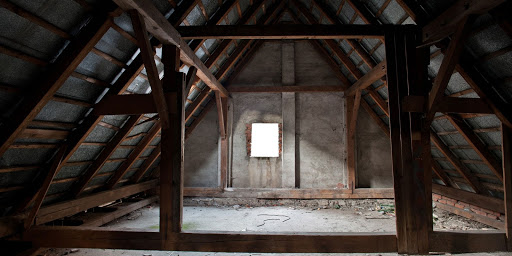
- Attics where roof leaks from summer storms wet sheathing
For crawl-space-specific guidance, see crawl space mold after a wet Rochester summer. Room-by-room checks still matter—start with our classic list of places to check for mold.
Is It Black Mold?
Dark staining can be mold, mildew, dirt, or moisture marks. Health concerns—especially for people with asthma or allergies—should drive action regardless of the species name. Avoid alarming medical claims; instead, improve air quality by removing growth under containment and correcting humidity.
If you need a deeper primer, read what black mold is and our comparison of removal vs remediation.
What Not to Do
- Do not paint over active mold
- Do not use household fans to “dry” a visibly colonized wall cavity without containment
- Do not sand or scrape large areas without PPE and containment—spores go airborne
- Do not ignore a musty smell because you cannot see growth yet
The Professional Path
Our process typically includes moisture mapping, containment, HEPA air scrubbing, removal of unsalvageable materials, cleaning of salvageable framing, and verification that humidity and materials are dry. Pair remediation with climate control when the loss is part of a wider water event.
Schedule a mold inspection or call for mold remediation when growth covers more than a small isolated area, keeps returning, or followed flooding.
FAQ
Will a retail dehumidifier solve black mold?
It helps prevent new growth by lowering RH, but it does not remove established colonies inside materials. Use dehumidifiers as prevention and post-remediation support—not as the only fix.
Can running the AC reduce mold risk?
Yes—cooling reduces indoor humidity when the system is sized and draining correctly. A clogged condensate line can create a new water problem; see AC condensate leaks.
Indoor RH Targets for Rochester Homes
Aim to keep indoor relative humidity around 40–50% in summer living spaces when practical. Basements may need dedicated dehumidifiers because they run cooler than upstairs and condense moisture on walls. Whole-home systems help, but only if ducts are balanced and condensate drains are clear.
Hygrometers are inexpensive. Place one in the basement and one on the main floor. Spikes after storms or laundry days tell you when to run equipment longer.
Storage Habits That Feed Mold
Cardboard boxes on concrete, fabric bins against exterior walls, and overpacked closets reduce airflow and trap humid air. Elevate storage on shelves, use plastic bins with lids for long-term keepsakes, and leave a gap between furniture and basement walls.
After any water event, discard soaked cardboard rather than drying it in place—it is an excellent mold habitat.
When Occupant Symptoms Matter
If household members notice worsened asthma, unexplained congestion, or irritation that improves away from home, take odor and moisture findings seriously. Remediation decisions should be driven by environmental evidence and medical advice from your clinician—not internet scare articles. Our role is to remove growth and correct moisture so your indoor environment can normalize.
Bathrooms and Kitchens in Sticky Weather
Long showers without exhaust fan use spike bathroom humidity. In summer, that moisture does not leave the house as easily, especially in interior baths. Run fans during and 20–30 minutes after showers. Wipe wet walls, fix leaking wax rings and supply lines promptly, and avoid storing towels in a way that blocks airflow behind doors.
Kitchens add steam from cooking. Range hoods that actually vent outdoors outperform recirculating filters for moisture control. Combined with basement humidity, a whole-home moisture load can push vulnerable rooms over the edge into visible growth.
If you already see spots on silicone or grout, clean small non-porous areas carefully—but investigate whether a larger moisture problem exists behind the wall before you call the job done.
Ongoing Monitoring Through August and September
Mold risk does not end when the radar clears. Late-summer humidity spikes and lingering wet soils keep basements damp into September. Keep dehumidifiers draining to a sink or sump, replace filters, and re-check previously wet rooms after each major rain. If you completed remediation earlier in the summer, schedule a quick visual re-check before heating season closes windows and changes airflow patterns. Persistence pays off: homes that track RH see fewer surprise colonies.
Practical Details for Why Black Mold Thrives in Rochester Summer Humidity
Local conditions across Monroe County vary: older city foundations, suburban finished basements, and rural crawl spaces each fail differently in humid weeks. The unifying rule is the same—control moisture fast, verify dryness with measurements, and do not close assemblies until they are truly ready. Rock Emergency crews bring extraction, drying, and mold capabilities together so you are not coordinating three vendors during a stressful summer loss. If you are unsure whether your situation is DIY-safe, err on the side of a professional assessment; inspections are cheaper than tear-outs that could have been avoided with earlier drying. Keep notes, photos, and equipment settings so everyone—from adjusters to family members—understands what was done and why.
For 24/7 help in Rochester and across the Finger Lakes, call 585-501-3606 or contact Rock Emergency online. We handle water extraction, structural drying, mold inspection, and remediation under one accountable team.