On this pageShow
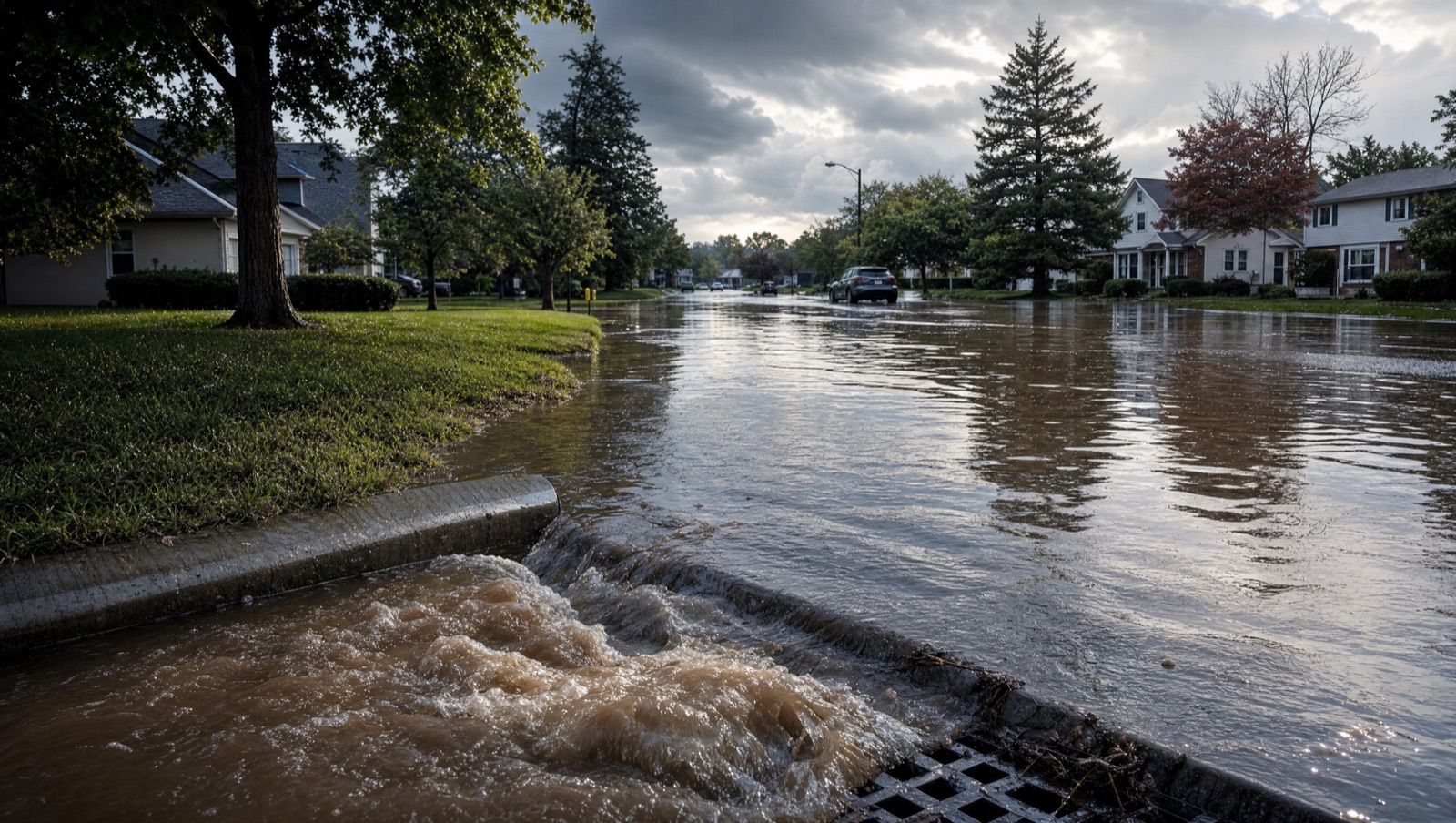
If your phone lit up with a loud emergency alert during Rochester’s severe storms on Saturday, July 18, you were not alone. Across Monroe County and nearby towns, the National Weather Service issued a flash flood warning covering Rochester, Greece, Irondequoit, Chili, Henrietta, Penfield, Webster, Brighton, and a long list of surrounding communities. Local coverage from News10NBC / WHEC documented flooded roads, power outages, and storm damage from Farmington to Henrietta. A separate tornado warning also hit parts of the metro area that afternoon, according to the Democrat and Chronicle.
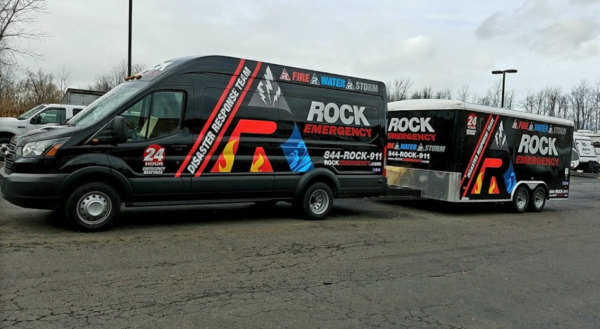
Rock Emergency Services Inc. (69 Seneca Ave, Rochester, NY 14621) is the locally owned restoration company behind this article — not Rock Environmental (rockenv.com). We dispatch 24/7 for storm damage restoration across Rochester, Greece, Webster, Henrietta, and Irondequoit. Call 585-501-3606.
And the pattern is not done. Forecasts for Tuesday, July 21, and into Wednesday, July 22, again point to showers and thunderstorms that can dump heavy rain in short bursts. AccuWeather and local forecast discussions have flagged humid air, gusty storms, and the chance that any thunderstorm produces flash flooding and damaging winds. That is exactly the setup that turns storm drains into bottlenecks and basements into catch basins.
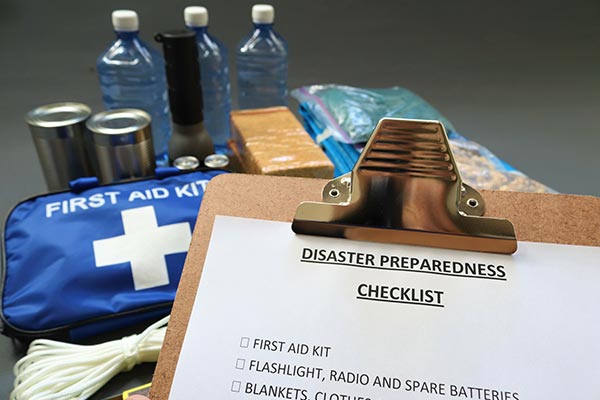
If you live in a neighborhood that flooded on the 18th, treat the next storm pulse as a second chance to finish prevention work: clear window wells, test the sump, move cardboard off the basement floor, and know which switch kills power to wet rooms. The cheapest recovery is the one you never need.
At Rock Emergency, we spend summer afternoons answering the same worried calls: “My phone screamed at me. Is my house about to flood? What do I do right now?” This guide explains what those alerts actually are, how flash floods behave in Western New York, and how to protect people and property when the sky opens up.
Key Takeaways
- Flash flood warnings mean flooding is imminent or already happening in the warned area. Treat them as action signals, not background noise.
- Those phone blasts are usually Wireless Emergency Alerts (WEA), not New York AMBER Alerts. AMBER is a missing-child program. Weather alerts use the same phone channel, which is why people mix up the names.
- Turn Around. Don’t Drown. Just six inches of moving water can knock you down; a foot can sweep a vehicle away, according to national safety guidance.
- After the water arrives, the mold clock starts. EPA guidance emphasizes drying wet materials within 24 to 48 hours.
- Rock Emergency responds 24/7 for extraction, structural drying, basement flood cleanup, and commercial water losses across Rochester and Western New York.
Flash Flood Watch vs Warning (and Why It Matters)
The National Weather Service draws a bright line between a watch and a warning. A flash flood watch means conditions are favorable. Stay aware, move cars out of low spots, clear window wells, and make sure your sump pump is ready. A flash flood warning means flooding is occurring or is about to occur. That is when you execute the plan: move people and pets to higher floors if needed, stay off flooded roads, and protect what you can without putting yourself in standing water near electricity.
FEMA’s flood guidance on Ready.gov is blunt: evacuate if told to do so, move to higher ground or a higher floor, and do not become trapped in a basement or attic. Sign up for local emergency alerts ahead of storm season so you are not relying on a last-second phone buzz alone.
Those Phone Alerts: WEA, Not AMBER
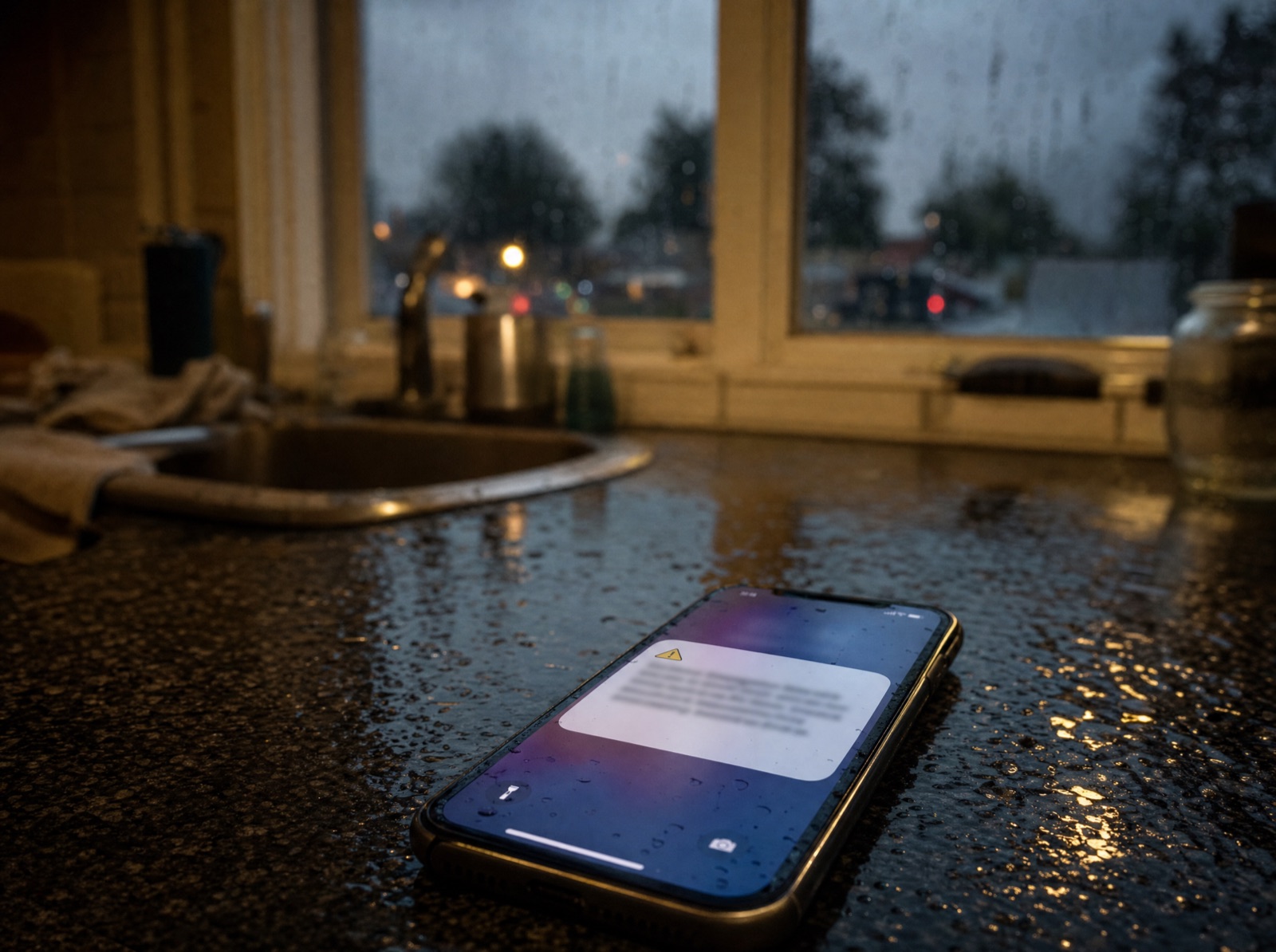
People often say “I got an amber alert about the flooding.” We hear that every storm. Here is the distinction that keeps everyone safer:
- AMBER Alerts are America’s Missing: Broadcast Emergency Response. In New York they are about abducted children. See amber.ny.gov.
- Wireless Emergency Alerts (WEA) are the short, geotargeted messages that hit compatible phones for imminent threats, AMBER cases, presidential/national alerts, and certain public safety messages. The FCC’s WEA overview explains how those messages are delivered through carriers.
Flash flood warnings can arrive as WEA imminent-threat messages when the National Weather Service tags the event at higher impact levels. Lower-tier warnings may still appear on TV, radio, NOAA Weather Radio, and weather apps even if your phone stays quiet. Bottom line: if your device vibrates with a flood warning for your location, treat it as real and immediate.
Why Rochester Flash Floods So Fast
Western New York summers load the atmosphere with heat and moisture. Short, intense thunderstorms can drop heavy rain before storm drains and roadside ditches catch up. Clay-heavy soils around Monroe County and the Finger Lakes saturate quickly. Older neighborhoods with combined sewer-and-storm infrastructure, low-lying roads near creeks, and homes with aging foundation drainage feel it first.
On July 18, that played out as flooded stretches near Bergen and Byron, standing water on Jefferson Road in Henrietta, and runoff problems across Victor and Gates, according to local reporting. The same afternoon brought tornado warnings. High winds, downed trees, and power outages often arrive in the same package as the water, which is why a “simple” rain event can knock out sump pumps right when you need them most.
Turn Around. Don’t Drown.
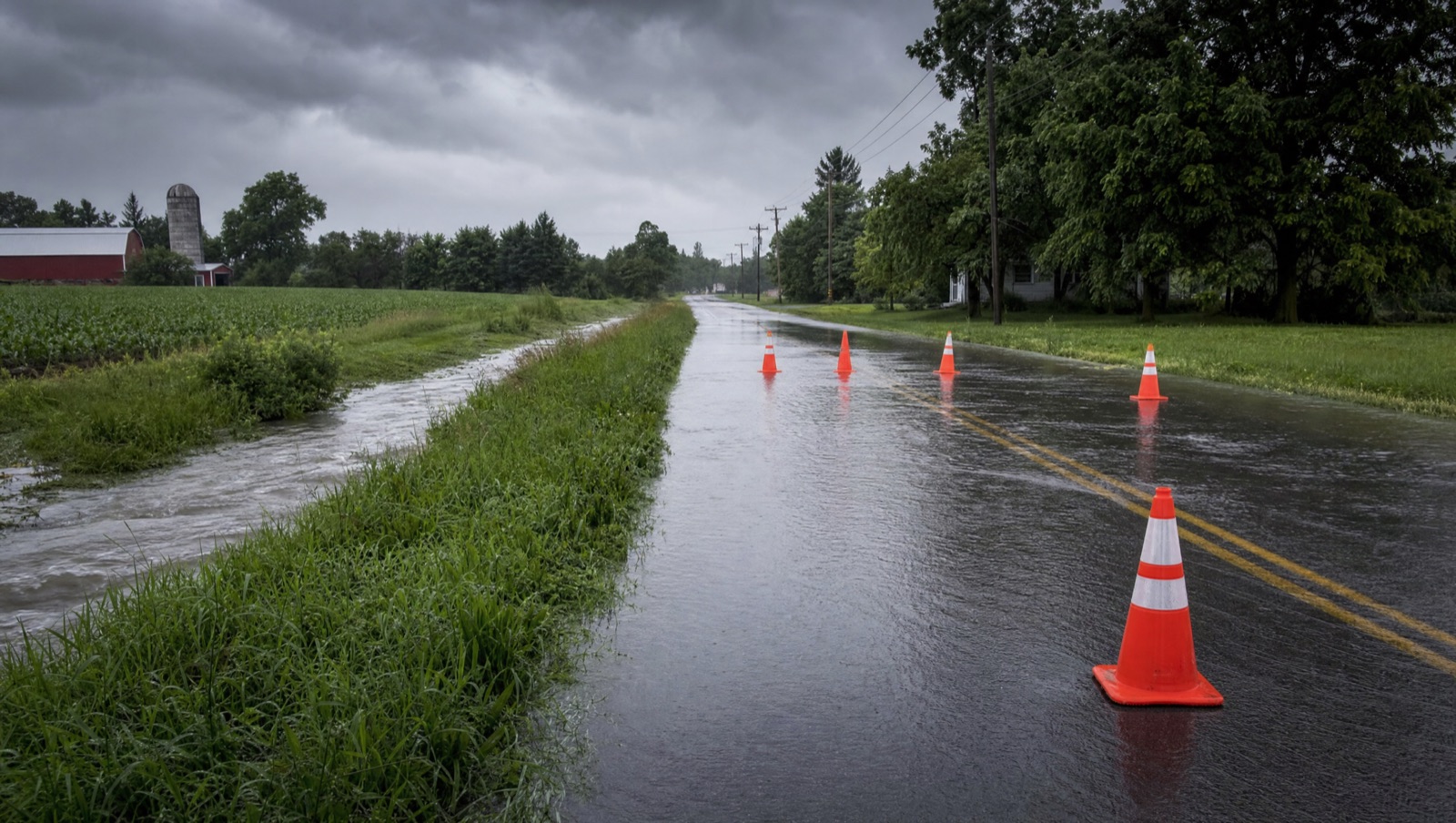
The National Weather Service’s public safety campaign is simple for a reason: most flood deaths happen in vehicles. You cannot see washouts, open drains, or how deep the water really is. Federal guidance repeats the same rules that save lives:
- Do not walk, swim, or drive through floodwaters.
- Never drive around barricades.
- Stay off bridges over fast-moving water.
- If your car stalls in rising water, get to the roof if needed and call for help.
NWS flood safety resources, including the flood safety hub and Turn Around Don’t Drown messaging, are worth a five-minute read before the next warning hits.
What to Do at Home When the Alert Hits
- Move people and pets out of the basement if water is rising or a warning is active for your neighborhood.
- Shut off electricity to wet areas only if you can reach the panel dry. If water is near outlets or the panel, leave it alone and call for help.
- Stop outdoor water entry where it is safe: clear a clogged window well cover, extend downspouts if you can do it without standing in flowing runoff.
- Move valuables up. Boxes on the basement floor become soggy trash in minutes.
- Photograph everything for insurance before you start moving soaked contents.
- Call for professional extraction if water is more than a thin film, if carpet is saturated, or if you smell sewage. Our basement flood cleanup and water damage restoration teams run 24/7.
After the Water: The 24–48 Hour Mold Clock
FEMA and EPA materials agree on the timeline. Wet building materials that stay damp more than a day or two become mold magnets, especially in Rochester’s humid July air. The EPA’s Homeowner’s and Renter’s Guide to Mold Cleanup after Disasters says that if you could not dry the home within 24 to 48 hours after flooding, you should assume mold growth and plan a real cleanup, not a coat of paint.
Household box fans alone rarely finish the job. They move air. They do not pull gallons of water out of carpet pad, drywall paper, or sill plates. That is the difference between a weekend DIY attempt and a monitored dry-out with commercial extractors and dehumidifiers.
How Rock Emergency Helps After Flash Flood Alerts
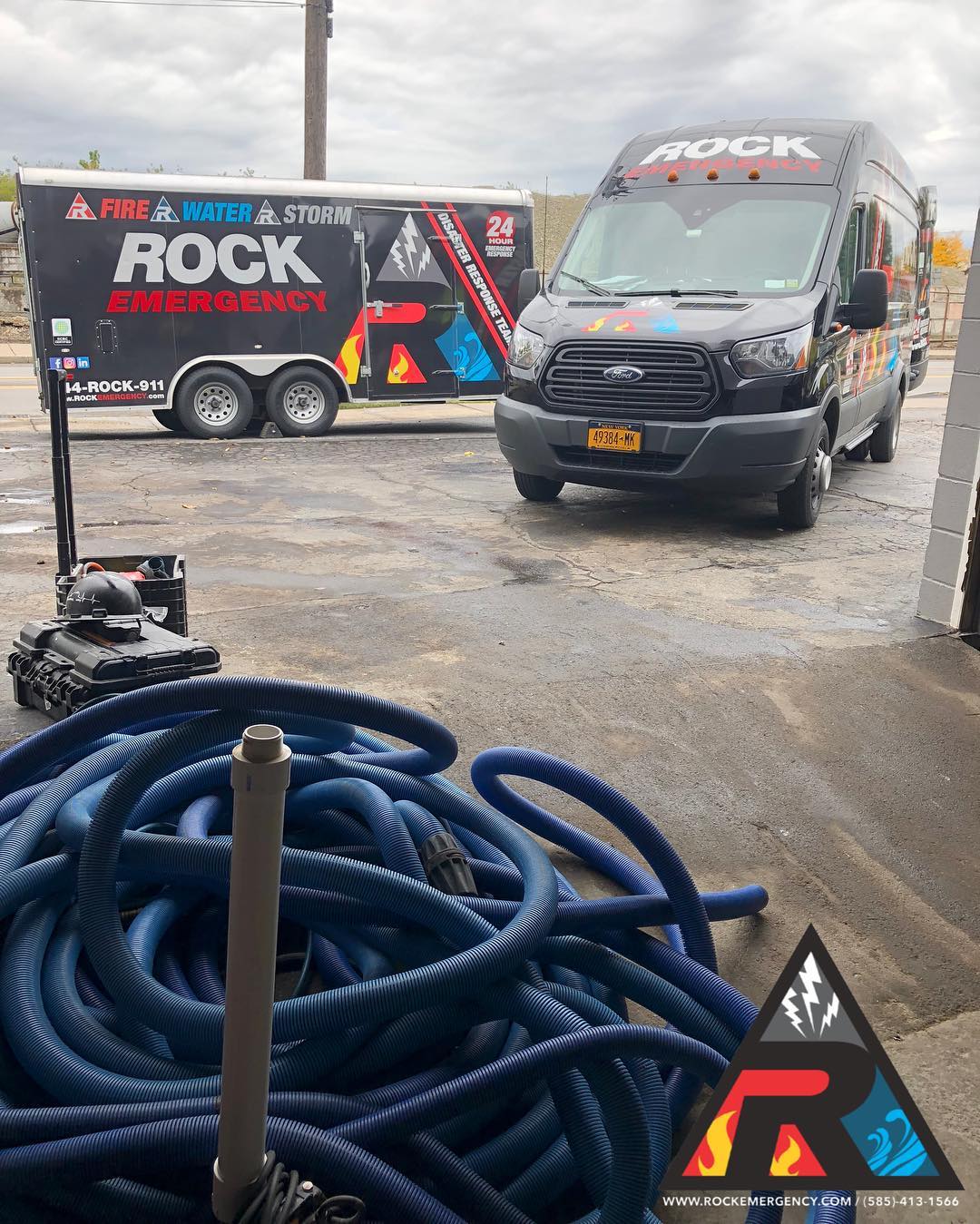
When phones buzz across Monroe County, our dispatch board lights up. We prioritize life safety, then stop active water intrusion, extract standing water, map moisture with meters, and set a drying plan sized to the loss. Homeowners get residential crews. Facility managers get commercial extraction capacity and documentation for insurance and downtime decisions. One call covers water, storm, and follow-on mold concerns under the same accountable team.
Keep NOAA Weather Radio or a trusted local forecast in the mix even when your phone is quiet. Not every flash flood warning triggers a WEA on every handset, and watches often come hours earlier than the loud buzz. Pair that awareness with a short household plan: who grabs pets, where the important documents live, and which neighbor you text if water starts rising.
If you are watching the July 21-22 thunderstorm forecast and already dealing with damp carpet, a buzzing sump, or a warehouse floor that took on runoff, do not wait for the next warning cycle. Call 585-501-3606 or contact Rock Emergency online. We serve Rochester and communities across New York State, 24 hours a day.
FAQ
Is a flash flood warning the same as an AMBER Alert?
No. AMBER Alerts are for abducted children. Flash flood warnings are weather products from the National Weather Service. Both can reach your phone through Wireless Emergency Alerts, which is why the names get mixed up.
Should I leave my basement during a flash flood warning?
If water is entering or you are in a flood-prone low area, move to a higher floor. Ready.gov specifically warns against becoming trapped in a basement as floodwaters rise.
Does homeowners insurance cover flash flood damage?
Standard homeowners policies usually exclude flood damage from rising surface water. Many people need a separate National Flood Insurance Program policy or private flood coverage. Ask your agent before storm season, not after. Sump overflow and sewer backup endorsements are also separate conversations.