
On this pageShow
Peak cooling season in Rochester means air conditioners run for hours on humid afternoons. Every unit that cools your home also wrings moisture out of the air. That condensate normally drains outdoors through a PVC line. When algae, dust, or a disconnected hose blocks the path, water overflows into ceilings, closets, and wall cavities—often while you are at work.
Rock Emergency Services Inc. (69 Seneca Ave, Rochester, NY 14621) is the locally owned restoration company behind this article — not Rock Environmental (rockenv.com). We dispatch 24/7 for water damage restoration across Rochester, Greece, Webster, Henrietta, and Irondequoit. Call 585-501-3606.
Rock Emergency responds to condensate overflows every summer, especially in multi-story homes and apartments where the air handler sits in an attic or second-floor closet. This article explains the risk, the signs, and how to pair HVAC repair with proper water damage restoration.
Key Takeaways
- Condensate is constant in summer — A typical residential system can produce several gallons of water per day in humid weather.
- Overflow pans fail quietly — By the time you see a ceiling stain, insulation and drywall may already be saturated.
- Mold follows moisture — Warm, dark plenums and attics are ideal for growth after a slow leak.
- Turn the system off if leaking — Continuing to run the AC feeds more water into the building.
- Dry the structure, not just the spot — Wiping a stain does not dry wet insulation or framing.
How AC Condensate Works
Indoor coils get cold. Warm Rochester air hits those coils, and moisture condenses—just like a cold drink sweating on a porch table. The water drips into a pan and exits through a drain line, sometimes with a condensate pump on basement or closet installs.
Clogs form when biofilm grows inside the line or when the outdoor termination is buried in mulch. Float switches are supposed to shut the system down before overflow—but many older Rochester homes lack them or have switches that were never reset after a prior trip.
Warning Signs of a Condensate Leak
- Musty odor near the air handler or supply vents
- Brown or yellow ceiling rings below an upstairs closet
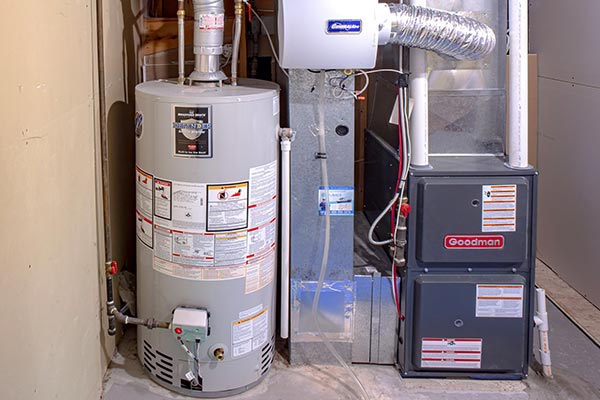
- Water around the furnace/AC closet after long cooling cycles
- AC short-cycling or shutting down on a float switch
- Warped closet flooring or bubbling paint on adjacent walls
Where Damage Hides in Rochester Homes
Attic air handlers can soak insulation for days before drips appear downstairs. Finished basements hide wet rim joists behind baseboards. If the leak reached carpet, assume the pad is wet even when the surface feels dry.
Compare what you are seeing with our guide on common signs of water damage, and if staining is on the ceiling after storms or AC use, read ceiling water stains after summer thunderstorms.
What to Do Right Now
- Turn off cooling at the thermostat (and power to the air handler if safe).
- Place towels and a bucket to contain active drips; move belongings.
- Call an HVAC technician to clear the drain and verify the pan and float switch.
- Call a restoration team if drywall, insulation, flooring, or a large area is wet—HVAC fixes the source; we dry the building.
- Ask for moisture readings so drying stops only when materials meet target levels.
If mold odor is already present, add a mold inspection before cosmetic repairs close up wet cavities.
Summer Prevention Checklist
- Have the condensate line flushed during spring HVAC maintenance
- Confirm outdoor terminations are clear of debris
- Test float switches annually
- Keep attic air handlers accessible—do not bury them in storage
- Change filters on schedule; dirty filters can contribute to freeze/thaw drip events
FAQ
Will insurance cover AC condensate damage?
Sudden overflow from a clogged line is often covered as accidental discharge; gradual seepage or poor maintenance disputes happen. Document dates, HVAC invoices, and photos. We provide claim-ready moisture logs when we dry the loss.
Can I bleach the drain line myself?
Some manufacturers allow careful flushing; others want a technician. Never pour harsh chemicals into a line that ties into a condensate pump you do not understand. Fixing the clog without drying wet building materials still leaves you with a mold risk.
Attic Air Handlers and Second-Floor Closets
Many two-story Rochester homes place the air handler in an attic or a tight second-floor closet. When the drain clogs, water saturates attic insulation first. Ceiling drywall below may not show a stain for days. By then, insulation R-value is compromised and paper face on drywall is a mold food source.
If you hear dripping in the attic during cooling cycles, shut the system down and investigate. Do not wait for a brown ring in the hallway ceiling. Combine HVAC service with structural drying so repairs do not close up wet cavities.
Multi-Family and Rental Considerations
In duplexes and apartments, a condensate overflow upstairs can damage the unit below. Property managers should treat these as urgent habitability issues: stop the water, dry assemblies, and document communication with tenants. Delayed response creates both mold risk and liability exposure.
Shared HVAC closets need clear access—storage boxes stacked against an air handler hide early warning drips.
A Practical Summer Maintenance Calendar
May: professional spring tune-up including condensate flush and float switch test. June–August: monthly visual check of the closet or attic pan after long cooling days. September: final flush before shoulder season. Keep filter changes on schedule; restricted airflow contributes to coil freeze events that later melt into overflow.
Coil Freeze Events and Secondary Water Damage
Low airflow from dirty filters, closed supply vents, or failing blower motors can cause evaporator coils to freeze. When the system thaws, a sudden dump of water overwhelms pans and drains. Homeowners often describe “a flood from the closet” even though the outdoor unit looks fine.
Prevention overlaps with condensate care: maintain filters, keep returns unblocked, and schedule seasonal service. If a freeze/thaw flood already happened, treat it like any other indoor water loss—extract, dry cavities, and only then restore cosmetics. Ignoring wet insulation above a second-floor ceiling is how hidden mold starts in August.
Commercial spaces with rooftop units have analogous drain pan failures. While this article focuses on homes, the same urgency applies to offices and retail when condensate management fails during heat waves.
Tips for Landlords and Seasonal Residents
If you rent your Rochester property or leave town for weeks in summer, require seasonal HVAC service in the lease or property checklist. Ask tenants to report closet dampness immediately. Consider smart leak sensors that alert your phone when a pan overflows. Vacant homes with the thermostat left very cold can still produce condensate on humid days—do not assume an empty house means zero water risk. After any overflow, hire drying professionals before cosmetic contractors close walls.
For 24/7 help in Rochester and across the Finger Lakes, call 585-501-3606 or contact Rock Emergency online. We handle water extraction, structural drying, mold inspection, and remediation under one accountable team.