
On this pageShow
Finger Lakes and Rochester basements rely on sump pumps whenever clay soils saturate. Summer storms deliver the perfect failure test: high inflow plus brief power outages. A pump that worked fine in April may seize after months of inactivity—or run dry of power just when you need it most.
Rock Emergency Services Inc. (69 Seneca Ave, Rochester, NY 14621) is the locally owned restoration company behind this article — not Rock Environmental (rockenv.com). We dispatch 24/7 for basement flood cleanup across Rochester, Greece, Webster, Henrietta, and Irondequoit. Call 585-501-3606.
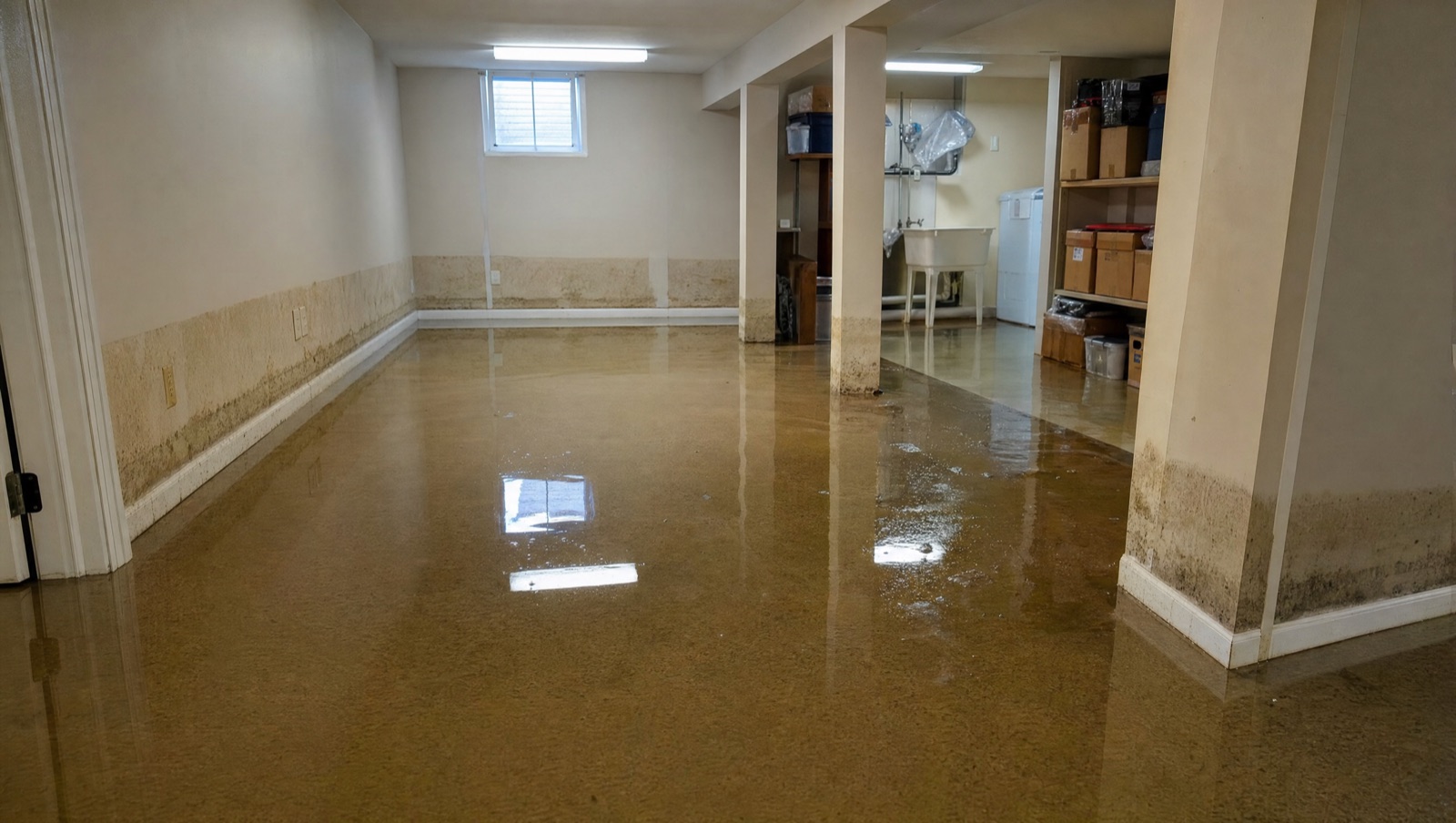
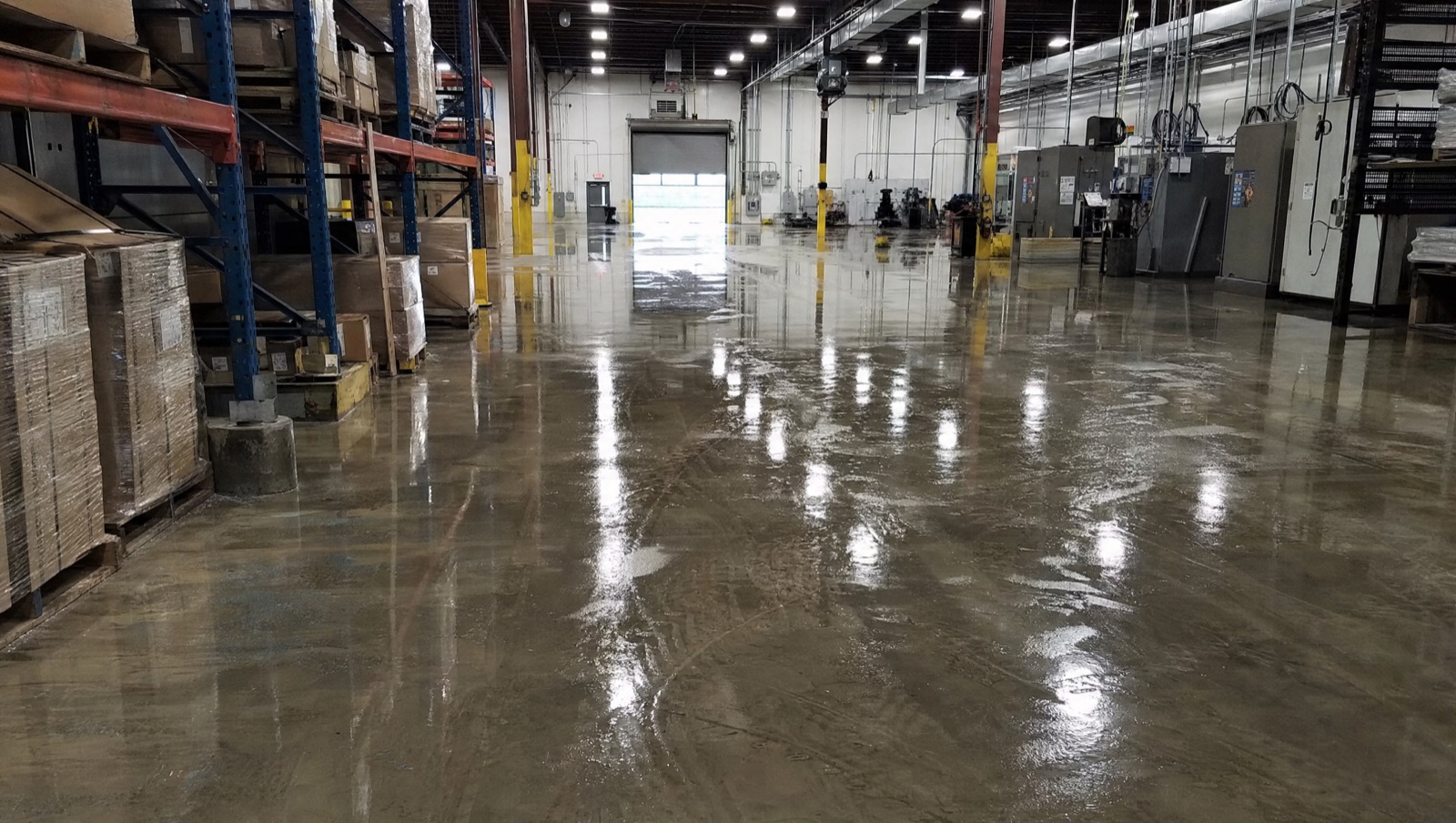
Rock Emergency crews pull water from basements across Monroe, Ontario, and Wayne counties after these events. Fast basement flood cleanup limits mold and finishes damage.
Key Takeaways
- Power blips kill pumps — Battery or water-powered backups bridge outages.
- Clogs happen at the worst time — Test and clear intakes before peak storm season.
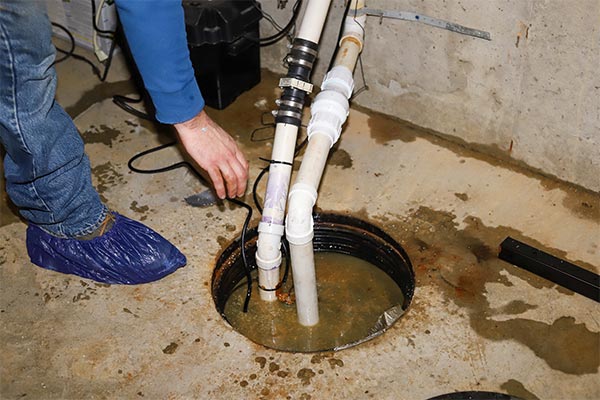
- Check valves matter — Failed checks send water back into the pit.
- Act within hours — Standing water starts the mold clock immediately.
- Replace aging pumps proactively — Many units last 7–10 years under heavy use.
Why Sump Pumps Fail in Summer Storms
- Utility flickers during lightning and high winds
- Float switches tangled in debris or pit sludge
- Discharge lines frozen earlier in the year and never cleared (less common in July, but crushed lines happen)
- Undersized pumps facing 100-year rain rates
- GFCI outlets tripped in damp mechanical rooms
Backup Power and Redundancy
Primary AC pump + battery backup is the standard recommendation for storm-prone areas. Water-powered backups can help where municipal pressure is reliable. Alarm systems that text you when the pit rises are inexpensive insurance if you travel in summer.
When the Pump Already Failed
- Stay out of deep water if electricity may be live.
- If power is on and safe, reset GFCI and confirm the outlet.
- Call for emergency extraction—do not wait overnight “to see.”
- Photograph water height and damaged belongings.
- After water is gone, dry structural materials professionally.
Read the companion guide on Rochester summer storm basement flooding for the full first-hour checklist.
Aftercare and Prevention
Service the pump, replace failed units, extend discharge away from the foundation, and consider a second pit pump on large footprints. Pair mechanical fixes with grading and gutter improvements so the pump is not fighting unnecessary volume.
FAQ
Does insurance cover sump failure?
Many policies cover backup of sewers and drains or sump overflow only with an endorsement. Review your declarations before storm season and document maintenance.
Can I drop a utility pump in myself?
Temporary pumps help if you can discharge outdoors safely and electricity is stable. They do not replace structural drying afterward.
Choosing Primary and Backup Equipment
Select pump horsepower and head height for your discharge run. Long vertical lifts need more power. Pair a reliable primary pump with a battery backup sized for multi-hour outages common in summer windstorms. Test the backup monthly—batteries age out quietly.
Install an accessible cleanout on the discharge and keep the outdoor termination above grade and clear of mulch or snow stakes that get forgotten until July.
Generators and Transfer Safety
Portable generators can keep a sump alive, but only with safe outdoor placement and proper transfer methods. Never backfeed through a dryer outlet. If you rely on generator power for medical devices and sump duty, plan circuits carefully before storm season—not during the outage.
When the Whole Neighborhood Floods
Wide outages mean restoration resources are scarce. Call early, mitigate what you can safely, and prioritize health. After water is removed, still complete structural drying; community chaos is when shortcuts create mold clusters two weeks later.
Sealed Covers, Radon Systems, and Access
Some homes have sealed sump covers for radon mitigation. Those systems must remain intact after service. Tell technicians about radon piping before work begins so discharge and pit access stay compliant.
After a failure event, verify the check valve, pit cleanliness, and that the discharge line has not separated underground. A pump can run loudly and still push water into a crushed lateral, saturating the yard and eventually the basement again.
Schedule a post-storm service even if the basement “only got a little water.” Small recurring events are how finished basements quietly grow mold behind baseboards.
A Monthly Sump Testing Protocol
Pour enough water into the pit to raise the float and confirm the pump starts, discharges outdoors, and stops cleanly. Listen for grinding or air-locked behavior. Check that the check valve is not leaking back endlessly. Verify backup battery charge indicators. Log the test date on a tag near the pit—simple records help when insurance asks whether the system was maintained. Replace aging pumps before they fail mid-storm.
Practical Details for Sump Pump Failure During Finger Lakes Summer Storms
Local conditions across Monroe County vary: older city foundations, suburban finished basements, and rural crawl spaces each fail differently in humid weeks. The unifying rule is the same—control moisture fast, verify dryness with measurements, and do not close assemblies until they are truly ready. Rock Emergency crews bring extraction, drying, and mold capabilities together so you are not coordinating three vendors during a stressful summer loss. If you are unsure whether your situation is DIY-safe, err on the side of a professional assessment; inspections are cheaper than tear-outs that could have been avoided with earlier drying. Keep notes, photos, and equipment settings so everyone—from adjusters to family members—understands what was done and why.
For 24/7 help in Rochester and across the Finger Lakes, call 585-501-3606 or contact Rock Emergency online. We handle water extraction, structural drying, mold inspection, and remediation under one accountable team.