
On this pageShow
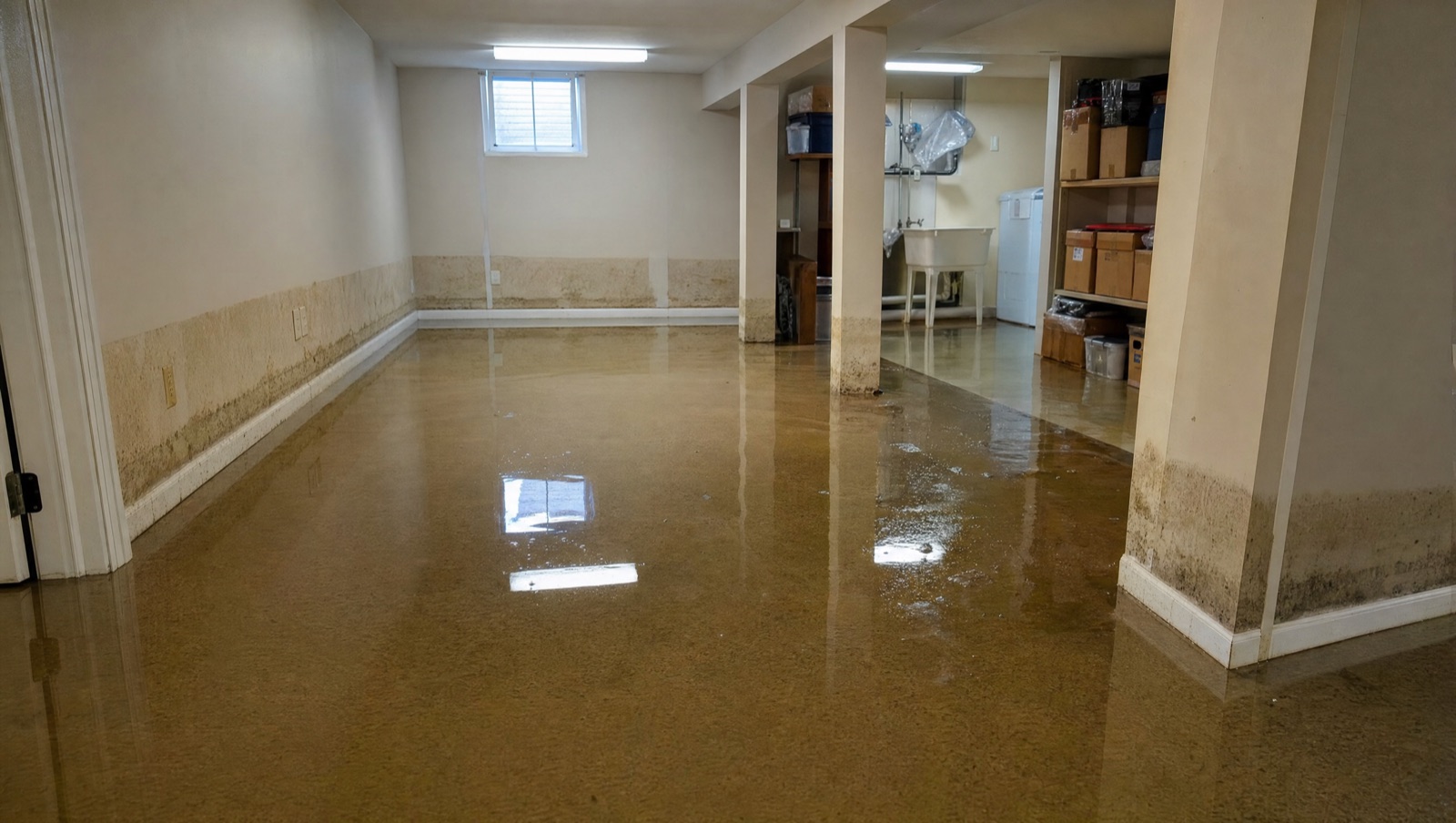
Rochester summers bring heat, humidity, and sudden thunderstorms that can drop an inch of rain in under an hour. When that water has nowhere to go—clogged gutters, saturated clay soil, a struggling sump pump—it finds the lowest point in your house: the basement.
Rock Emergency Services Inc. (69 Seneca Ave, Rochester, NY 14621) is the locally owned restoration company behind this article — not Rock Environmental (rockenv.com). We dispatch 24/7 for basement flood cleanup across Rochester, Greece, Webster, Henrietta, and Irondequoit. Call 585-501-3606.
At Rock Emergency, our crews see the same pattern every July and August across Monroe County and the Finger Lakes: homeowners mop the visible water, run a household fan overnight, and discover musty odors or visible mold a few days later. This guide walks through what actually matters in the first hours after a summer basement flood—and how professional basement flood cleanup protects both your structure and your health.
Key Takeaways
- Treat storm water seriously — Even clear-looking runoff can pick up soil, fertilizers, and bacteria before it enters your basement.
- Safety first — Shut off power to wet areas only if you can do so without stepping in water; call a professional if you are unsure.
- The mold clock starts immediately — Mold can begin colonizing damp materials within 24–48 hours in Rochester’s humid summer air.
- Household fans are not enough — Consumer fans move air; they do not remove the gallons of water trapped in drywall, framing, and carpet pad.
- Document everything — Photos, videos, and moisture readings support insurance claims and speed adjuster decisions.
Why Rochester Summers Flood Basements
Western New York sits in a corridor where warm, moisture-rich air collides with cooler lake-influenced systems. The result is intense, short-duration storms. Older Rochester and Brighton homes often have unfinished basements, aging drain tile, and sump pumps that sit idle all winter—then fail the first time they are asked to run for hours straight.
Common summer flood triggers we respond to:
- Overwhelmed municipal storm drains during peak rainfall
- Downspouts dumping water next to the foundation
- Window well covers missing or clogged with debris
- Sump pumps without battery backup during brief power blips
- Poor exterior grading that slopes toward the house
If water has already entered, start with safety, then move to extraction—not cosmetic cleanup.
First-Hour Safety Checklist
- Do not walk into standing water if outlets, appliances, or the electrical panel may be energized.
- Evacuate kids and pets from the wet zone; storm water can carry contaminants.
- Stop the source if safe—close windows, clear a backed-up floor drain only if you know it is not sewage, and check that the sump is cycling.
- Call for professional extraction if water is more than a thin film, if carpet is saturated, or if sewage odor is present. Our water damage restoration team responds 24/7.
- Photograph every room before moving belongings; lift valuables onto high, dry surfaces.
Why Water Category Matters
Restoration follows IICRC water categories. Summer storm water that entered through foundation walls is often Category 2 (gray) once it contacts soil and organic debris. If a sewer line backed up during the storm, you are dealing with Category 3 (black water)—a biohazard that requires specialized cleaning, not a shop vac.
Guessing wrong leads to incomplete cleanup and later mold or odor complaints. When in doubt, have a trained technician classify the loss before you start ripping out materials. Learn more about categories in our guide to water damage categories and classifications.
Stop Mold Within 48 Hours
Rochester’s July humidity routinely sits in the 60–80% range. That environment is ideal for mold once porous materials stay wet. After extraction, professional drying uses commercial dehumidifiers, air movers, and daily moisture mapping—not a box fan in the corner.
If you already smell mustiness or see discoloration on baseboards, do not scrub blindly. That can aerosolize spores. Schedule a mold inspection and, if needed, contained mold remediation. Pair this with our seasonal deep dive on the 48-hour mold clock after summer water damage.
Sump Pumps, Gutters, and Grading
After the emergency is stabilized, prevent the next one:
- Test your sump monthly in summer; install a battery or water-powered backup
- Extend downspouts at least 6–10 feet from the foundation
- Clear window wells and add covers rated for your rainfall intensity
- Regrade soil so it slopes away from basement walls
- Consider a perimeter drain evaluation if flooding is recurring
Sump failures during Finger Lakes storms are common enough that we wrote a dedicated guide: sump pump failure during summer storms.
Insurance and Documentation
Standard homeowners policies often cover sudden storm-related water that enters through a failed sump or roof opening—but groundwater and flood (rising water) may require separate coverage. Document timelines, keep damaged materials until the adjuster releases them when possible, and work with a restoration company that provides moisture logs and photo reports.
FAQ
Can I clean a flooded basement with a shop vac?
Only for tiny, clean spills. For storm intrusion covering large areas, carpet, or drywall, a shop vac leaves hidden moisture behind and can burn out. Call professionals for structural drying.
When should I call Rock Emergency?
Call immediately if water is spreading, if power is affected, if you smell sewage, or if you cannot dry everything within a day. Night and weekend storms are when we are busiest—and when early response saves the most.
Neighborhood Patterns We See Each Summer
In older city neighborhoods with combined sewer influences and tight lot lines, stormwater has fewer places to soak in. Suburban tracts in Henrietta, Greece, and Penfield often have larger footprints and finished basements—meaning more contents at risk when a sump falls behind. Rural Finger Lakes properties may rely on curtain drains that silt in after spring, then fail the first torrential July storm.
If your street floods regularly, assume your home needs both mechanical backups and exterior water management. A restoration response without drainage improvements invites a repeat claim the next weekend the radar lights up.
Contents and Finished Basements
Finished basements complicate drying. Vinyl plank can look intact while underlayment stays wet. Carpet on concrete may seem salvageable until pad testing shows persistent moisture. Built-in bars, theater rooms, and gym flooring all require item-by-item decisions: clean, dry, or dispose.
We inventory damaged contents with photos for insurance and prioritize items with high emotional or financial value—documents, photos, and equipment—onto dry elevations first. Porous furniture that wicked Category 2 water may need specialized cleaning or replacement.
Working With Adjusters After a Storm Surge
After widespread storms, adjusters are stretched thin. Clear photo timelines, moisture maps, and a single restoration point of contact help your claim move. Avoid discarding materials the adjuster still needs to see unless they pose an immediate safety hazard—and photograph thoroughly first.
Ask whether your policy includes sump overflow or sewer backup endorsements. Those details change coverage conversations after Finger Lakes downpours.
What Professional Extraction Looks Like
When our technicians arrive after a Rochester summer storm, the first walkthrough confirms electrical safety, water category, and how far moisture has wicked into finishes. Truck-mounted or portable extractors pull standing water quickly. We then set a drying chamber strategy: seal openings as needed, place air movers to sheet air across wet surfaces, and position commercial dehumidifiers to pull grains of moisture from the air.
Daily revisits matter. Moisture meters on drywall, base plates, and flooring tell us whether the assembly is trending dry. If readings stall, we open cavities, remove saturated insulation, or adjust airflow. That disciplined process is what separates a true dry-out from a basement that only looks dry for a weekend barbecue.
Contents cleaning runs in parallel when furniture, rugs, or stored bins were affected. We photograph everything for your records and keep you informed about salvage versus replace recommendations so insurance decisions are clearer.
Building a Household Storm Preparedness Kit
Keep flashlights, plastic sheeting, a backup phone battery, and a printed list of emergency numbers—including Rock Emergency at 585-501-3606—where you can find them in the dark. Know how to shut off water and power safely. If you have mobility challenges in the household, plan assistance before storm season, not during basement flooding. Review your insurance declarations each spring so sump and sewer endorsements are not a surprise after the fact. Walk the exterior after leaf-heavy storms: gutters, window wells, and downspout extensions are still the cheapest flood mitigation you will ever buy.
For 24/7 help in Rochester and across the Finger Lakes, call 585-501-3606 or contact Rock Emergency online. We handle water extraction, structural drying, mold inspection, and remediation under one accountable team.