
On this pageShow
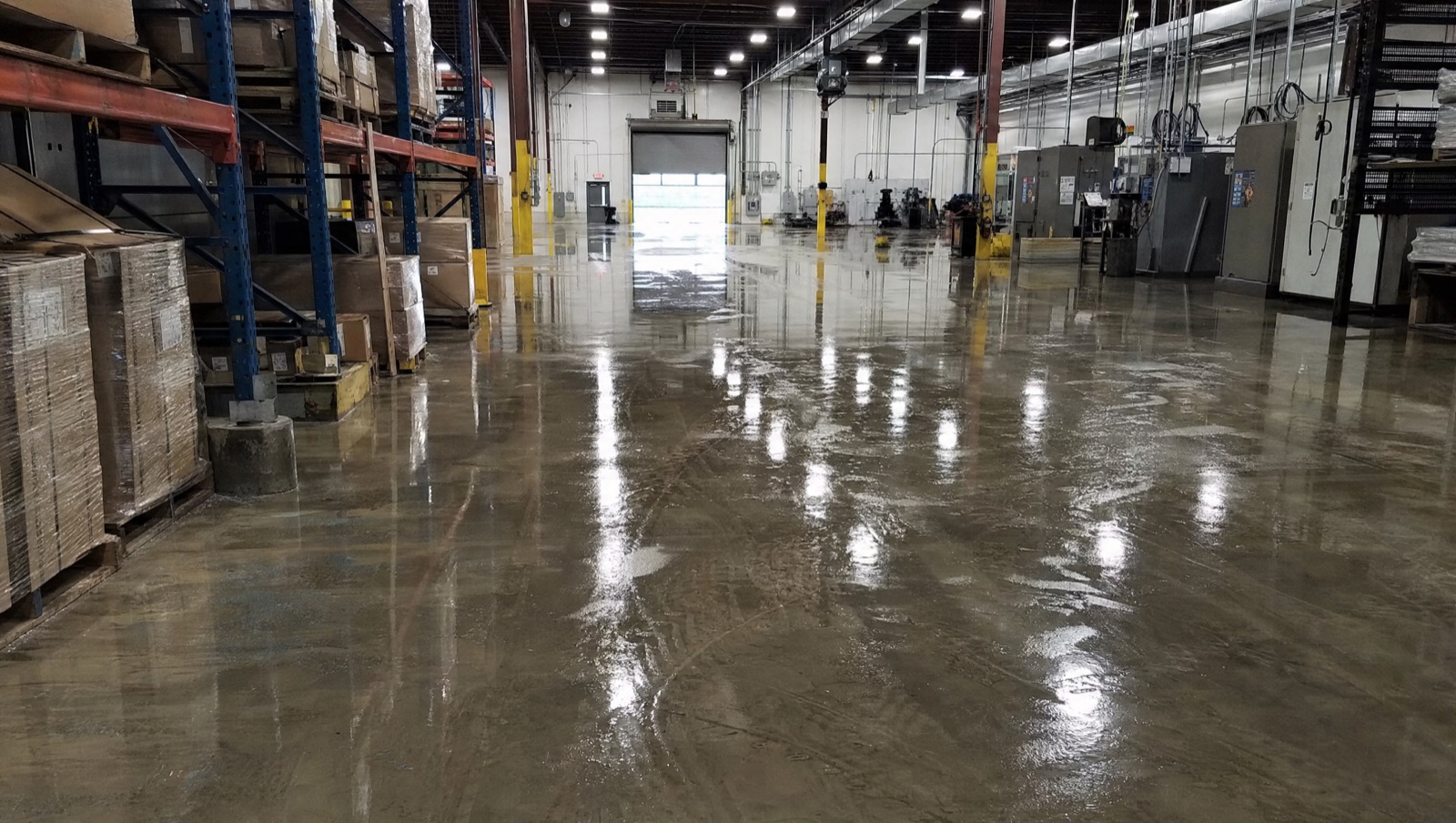
Flash floods do not politely knock on the front door. In Rochester and the Finger Lakes, storm water finds every weak joint in a house: a missing window well cover, a downspout dumping against the foundation, a hairline crack in a block wall, a floor drain that suddenly becomes an inlet. After the July 18 severe weather and with more thunderstorms in the July 21–22 forecast, homeowners are asking a sharper question than “Did it rain?” They want to know how the water got in, what it damaged, and what still hides behind the drywall.
Rock Emergency Services Inc. (69 Seneca Ave, Rochester, NY 14621) is the locally owned restoration company behind this article — not Rock Environmental (rockenv.com). We dispatch 24/7 for basement flood cleanup across Rochester, Greece, Webster, Henrietta, and Irondequoit. Call 585-501-3606.
This guide is for the homeowner persona we talk to most after a flash flood warning: people with finished or unfinished basements, older Rochester housing stock, and that uneasy feeling that the “small leak” is not small at all. At Rock Emergency, we map water paths for a living. Here is what we see, why it matters for insurance and mold risk, and when to call for professional water damage restoration.
Key Takeaways
- Flash flood water usually enters through multiple paths at once: overland flow, foundation seepage, failed sump systems, and roof or gutter overwhelm.
- Storm water is rarely “clean” by the time it reaches your basement. It picks up soil, fertilizers, road residue, and sometimes sewage from overloaded laterals.
- Common damages stack fast: swollen flooring, wicked drywall, ruined insulation, shorted outlets, and contents losses in cardboard boxes.
- Hidden moisture is the expensive part. Surfaces can look dry while sill plates and wall cavities stay wet enough for mold.
- EPA guidance stresses drying within 24–48 hours and using protective gear when cleaning flood-affected spaces.
How Flash Flood Water Actually Enters a Home
1. Overland flow and short foundation walls
When streets and yards pond, water seeks the lowest opening. Basement window wells, walkout doors, garage thresholds, and bulkhead stairs are classic entry points. If grading slopes toward the house, every intense storm becomes a test of your waterproofing.
2. Gutter and downspout failure
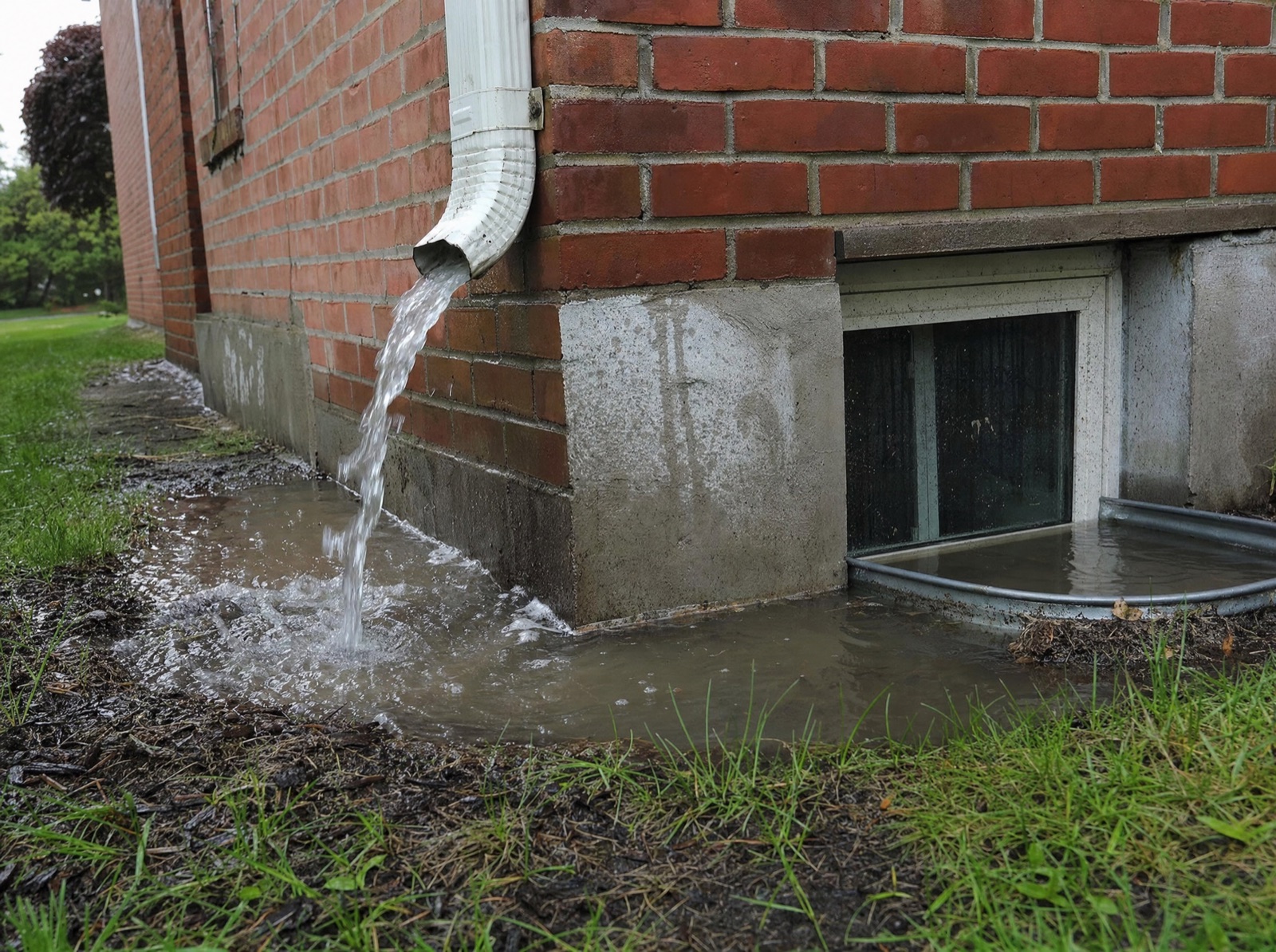
Clogged gutters overflow at the eaves and dump sheets of water onto the foundation. Downspouts that end a foot from the wall create a personal river aimed at your footing drain. After leaf-heavy weeks, this is one of the most preventable flash-flood amplifiers we see across Brighton, Greece, and Henrietta.
3. Foundation cracks and porous block
Concrete block basements common in older Western New York homes can wick water through mortar joints under hydrostatic pressure. A crack that stayed dry all spring can weep steadily once saturated clay soils push against the wall.
4. Sump, drain tile, and power failure
Flash floods arrive with lightning and wind. Brief outages kill primary sump pumps right when inflow peaks. Without a battery backup or water-powered backup, the pit overflows and the basement fills from the inside out. We cover that failure mode in depth in our guide to sump pump failure during Finger Lakes summer storms.
5. Roof leaks that storms reveal
High wind lifts flashing. Driven rain finds ice-dam scars from last winter. Water then travels along joists and shows up as ceiling stains far from the actual roof breach. That path is different from basement flooding, but it often shows up in the same storm call.
6. Sewage and drain backups
When municipal systems surcharge, floor drains and lower-level fixtures can reverse. That is Category 3 water in restoration terms: grossly contaminated. Do not mop it like rainwater. Call for biohazard and sewage cleanup.
Common Damages We Document After Flash Floods
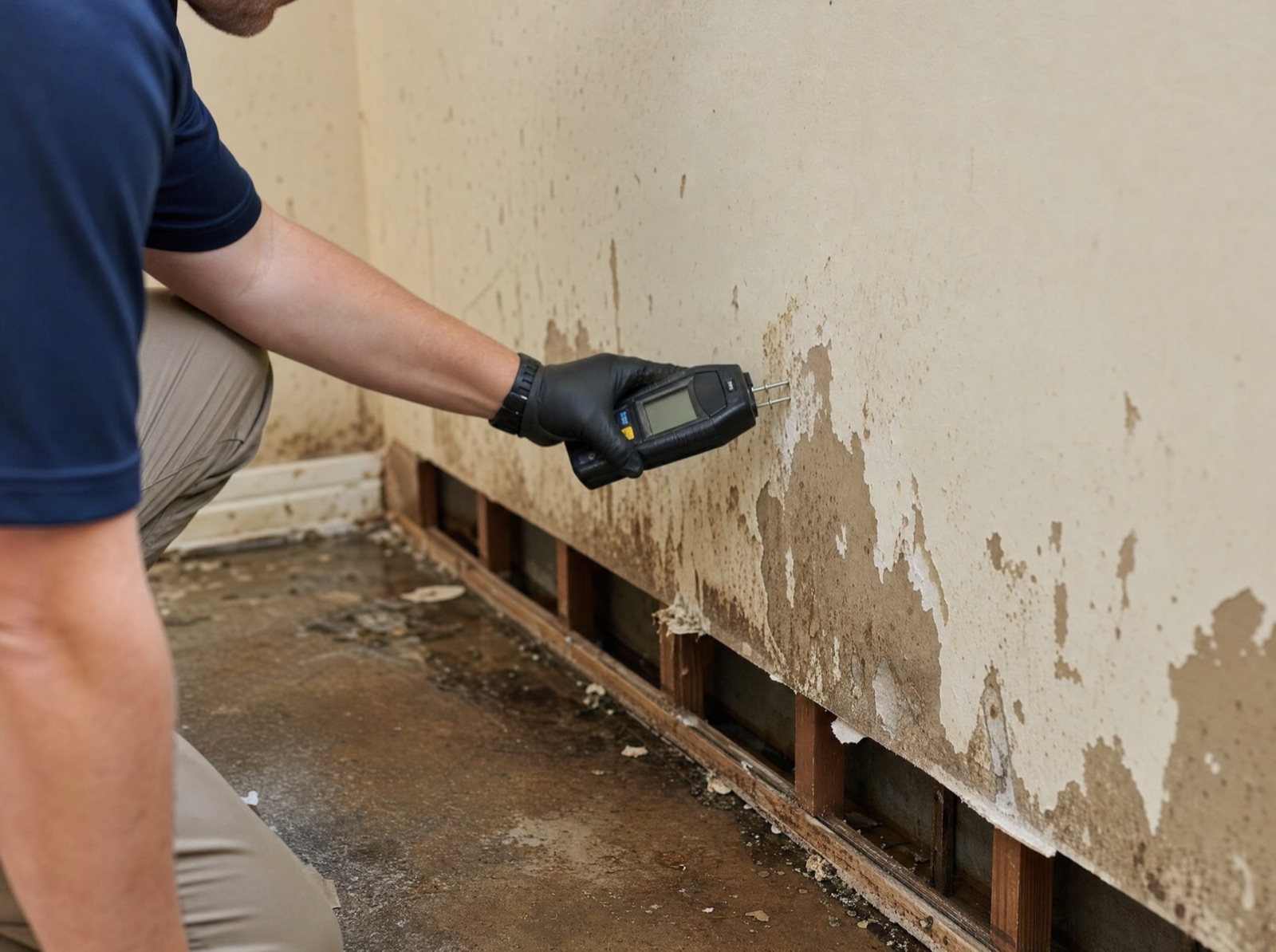
- Flooring systems: carpet and pad act like sponges; engineered wood cups; vinyl can trap moisture underneath.
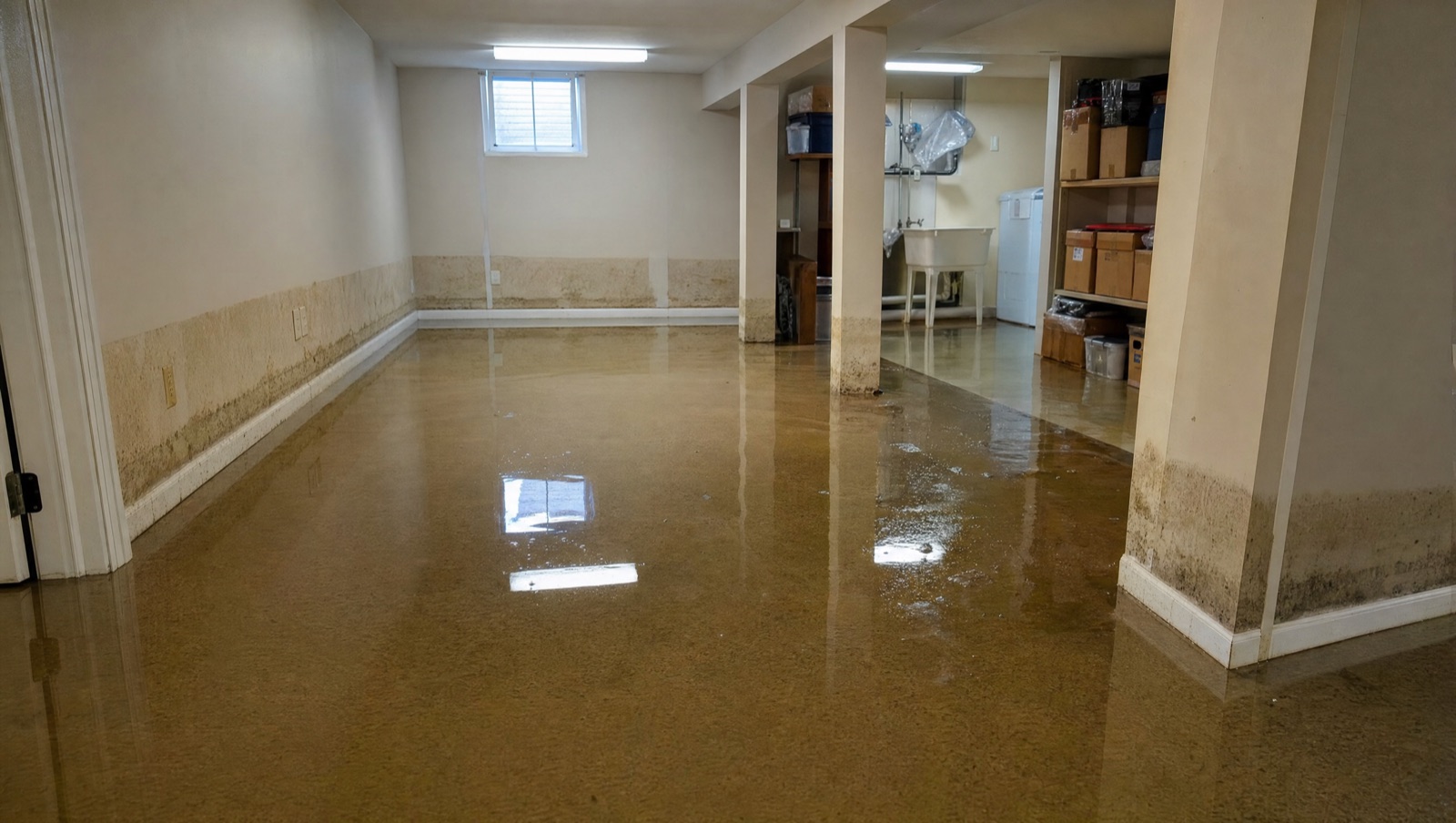
- Drywall and insulation: gypsum wicked several inches above the waterline; fiberglass batts hold odor and contaminants.
- Baseboards and trim: swelling, paint failure, and soft spots that telegraph hidden wet framing.
- Electrical: outlets, junction boxes, and appliances that were partially submerged need professional evaluation before re-energizing.
- HVAC and mechanical: furnace closets and water heaters in basements take splash damage and humidity abuse.
- Contents: cardboard storage, photo boxes, holiday bins, and tools rusted overnight.
- Indoor air: musty odors within days if drying stalls; mold colonization on porous materials.
Why “It Looks Dry” Can Still Be a Problem
After homeowners pull the visible water with a wet vac, the room can look almost normal by morning. Moisture meters tell a different story. Water wicked into the paper face of drywall, into bottom plates, and into the first few inches of framing. In July humidity, that reservoir feeds mold even when the carpet feels dry to a bare foot.
The EPA’s flood indoor-air guidance is clear that wet materials left more than about a day become mold risks, and that cleanup should avoid stirring contaminants into the air. Their page on flood cleanup to protect indoor air also warns not to mix cleaning chemicals, and to wear an N95 respirator, goggles, and gloves when dealing with flood-affected spaces.
Leaks Flash Floods Expose (That Were Already Waiting)
Storms do not create every problem from scratch. They stress-test the house. We regularly find:
- Failed exterior waterproofing that only weeps under hydrostatic load
- Window well drains choked with sediment
- Flexible downspout extensions crushed by mowers
- Check valves that never got installed on lateral lines
- Old washer hoses or water heater pans that finally give during vibration from pumps running flat-out
Fixing the acute flood without fixing the path is how the same home calls us again after the next warning.
Water Categories in Plain English
Restoration follows IICRC-style categories that matter for how aggressively we clean and what we discard:
- Category 1 starts as sanitary water (like a clean supply line). It can still degrade into a worse category if it sits and contacts contaminants.
- Category 2 is significantly contaminated (appliance discharge, aquarium water, and many storm intrusions that crossed soil and streets).
- Category 3 is grossly contaminated, including sewage and floodwater that mixed with outdoor toxins. Protective gear and specialized cleaning are mandatory.
Flash flood water that entered through a foundation after traveling across yards and roads is rarely treated as pristine Category 1 by the time we arrive. That classification drives whether carpet pad can be saved, how far we remove drywall, and what disinfection steps come after drying.
What to Do in the First Hours (Safety First)
- Keep kids and pets out of standing water.
- Avoid electrical hazards in wet zones.
- Stop additional water entry if it is safe to do so.
- Document with photos and short videos room by room.
- Remove dry contents to higher floors.
- Call professionals for extraction and drying if saturation goes beyond a tiny, clean spill.
Ready.gov’s flood pages reinforce the life-safety basics: listen to officials, move to higher ground when needed, and never drive through floodwaters. Property recovery comes after people are safe.
How Rock Emergency Traces and Fixes the Loss
Our technicians start with a source-and-safety walkthrough. We identify entry paths, categorize the water, extract standing water, and build a drying plan with air movers and commercial dehumidifiers. Daily moisture readings show whether assemblies are trending dry. If readings stall, we open cavities, remove unsalvageable materials, and keep working until the structure is actually dry, not just looking dry for company.
For finished basements, that often includes contents handling and coordination with your insurer. For homes that also took roof-driven leaks upstairs, we can tarp, extract, and rebuild under one roof. Explore basement flood cleanup, storm damage restoration, and mold remediation if you are already smelling must after the last storm.
Homeowners sometimes ask whether a dehumidifier from a big-box store is enough. For a damp corner after you spilled a gallon, maybe. For a flash flood that soaked carpet, baseboards, and insulation, you need extraction first, then a controlled drying environment with enough grain depression to pull moisture from materials, not just the room air. That is the work our crews document daily until meters say the assembly is dry.
Need help now? Call 585-501-3606 or reach Rock Emergency online. We are local, 24/7, and built for the kind of summer flash floods Rochester keeps serving up.
FAQ
Is clear basement water safe after a flash flood?
Not necessarily. Runoff can look clear and still carry contaminants from soil, streets, and lawns. If it backed up from a drain, treat it as contaminated until a professional evaluates it.
Can I just cut the wet drywall myself?
Small, clean losses sometimes allow careful DIY. Once water has spread, insulation is soaked, or sewage is involved, improper demo can spread contamination and miss wet pockets. Professional containment and moisture mapping prevent expensive do-overs.
How soon does mold start after a basement flood?
In warm, humid conditions, mold can begin colonizing damp materials within 24 to 48 hours. That is why extraction and structural drying should start immediately, not “after work next week.”