

On this pageShow
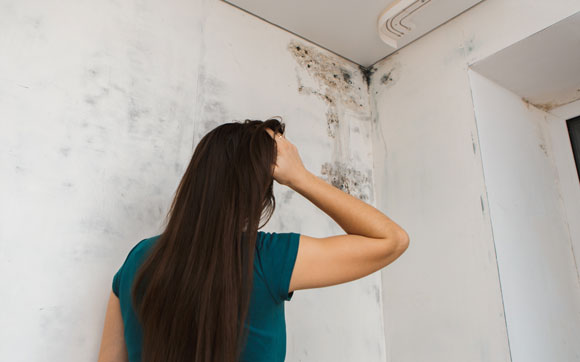
After summer flooding, many Rochester homeowners clean what they can see and declare victory. Weeks later, allergy symptoms spike or a musty smell returns on humid days. Hidden mold thrives in the cavities that never dried—behind baseboards, under toe-kicks, inside hollow doors, and on the back of drywall.
Rock Emergency Services Inc. (69 Seneca Ave, Rochester, NY 14621) is the locally owned restoration company behind this article — not Rock Environmental (rockenv.com). We dispatch 24/7 for mold remediation across Rochester, Greece, Webster, Henrietta, and Irondequoit. Call 585-501-3606.
Spotting those reservoirs early prevents larger remediation scopes. This guide focuses on detection; pair it with the 48-hour mold clock so the next flood does not repeat the cycle.
Key Takeaways
- Odor is data — Mustiness that returns with humidity often means residual dampness.
- Baseboards hide wicking — Drywall wicks water upward several inches above the flood line.
- Flooring traps moisture — Vinyl plank and laminate can seal wet underlayment underneath.
- Meters beat guessing — Non-invasive moisture meters find anomalies fast.
- Do not DIY demolition blindly — Uncontrolled tear-out spreads spores through the house.
Why Mold Hides After Floods
Surface air movers dry paint and face paper while insulation and sill plates stay wet. Summer humidity then recharges those materials each evening. Growth begins on the unseen side of assemblies—exactly where you cannot wipe it.
Clues You Can Detect Without Opening Walls
- Localized musty smell near exterior walls or closets
- Baseboard gaps, cupping, or discoloration
- Peeling paint or bubbling wallpaper a foot above the old water line
- Flooring that feels soft or sounds hollow
- HVAC filters darkening faster than usual
Higher-Risk Zones
Finished basements, crawl spaces, built-in cabinets, and rooms where furniture sat in water are top suspects. Multi-family units share wall cavities that move moisture between apartments—document shared walls for property managers.
Also check after condensate or ceiling leaks: ceiling stain guide.
What a Professional Inspection Adds
Technicians combine moisture mapping, thermal imaging when useful, bore-scope views, and sometimes air or surface sampling. The goal is a scoped repair plan—not endless lab reports without action. Start with a mold inspection when odor persists after apparent drying.
FAQ
Are store mold test kits enough?
Petri dishes often grow something because spores are everywhere. They rarely tell you where the reservoir is. Focus on moisture findings and visual inspection in cavities.
Can I fog bleach into the wall?
No. Blind chemical fogging does not fix wet materials and can create new hazards. Remove sources, dry, and remediate properly.
Furniture Footprints and Closet Cavities
Heavy furniture that sat in water leaves footprints of wicking. Check the underside of couches and dressers. Closets on exterior walls combine poor airflow with flood wicking—remove baseboards carefully when indicated by meters, not by guesswork.
Hollow-core doors can hold water in the bottom rail and release odor for weeks.
HVAC as a Distribution Path
If flood water reached supply boots or the system ran during a wet event, ducts may need evaluation. Contaminated dust can move hidden problems into clean rooms. Coordinate drying with HVAC cleaning decisions based on the category of water and where moisture traveled.
After Remediation: Proving the Reservoir Is Gone
Successful work ends with dry materials and absence of active growth—not perfume or paint. Keep humidity controlled through the rest of summer. Re-inspect after the next major storm to confirm no new wicking lines appear.
Renters and Property Managers
Tenants should report musty odors and unexplained stains quickly. Managers should avoid cosmetic paint-overs before moisture testing. Documenting the flood date, drying attempts, and inspection findings protects residents and ownership alike.
In multi-unit buildings, investigate shared party walls and chaseways. Moisture can travel horizontally far from the original entry point, especially in summer when AC systems move air between zones.
Clear communication about remediation timelines reduces anxiety and prevents DIY demolition that complicates containment.
Contents Cleaning vs Structural Reservoirs
Cleaning a musty sofa does not fix wet drywall behind it. Separate contents decisions from structural decisions. Soft goods may need specialized cleaning or disposal based on water category. Structure needs meters and possibly selective tear-out. Homeowners who only clean contents often call back weeks later when odor returns—because the reservoir in the assembly was never addressed.
Practical Details for How to Spot Hidden Mold After Summer Flooding in Rochester, NY
Local conditions across Monroe County vary: older city foundations, suburban finished basements, and rural crawl spaces each fail differently in humid weeks. The unifying rule is the same—control moisture fast, verify dryness with measurements, and do not close assemblies until they are truly ready. Rock Emergency crews bring extraction, drying, and mold capabilities together so you are not coordinating three vendors during a stressful summer loss. If you are unsure whether your situation is DIY-safe, err on the side of a professional assessment; inspections are cheaper than tear-outs that could have been avoided with earlier drying. Keep notes, photos, and equipment settings so everyone—from adjusters to family members—understands what was done and why.
For 24/7 help in Rochester and across the Finger Lakes, call 585-501-3606 or contact Rock Emergency online. We handle water extraction, structural drying, mold inspection, and remediation under one accountable team.