
On this pageShow
Every restoration technician knows the rule of thumb: mold can begin growing on wet building materials within 24 to 48 hours. In Rochester summers, that window shrinks because ambient humidity keeps materials from drying on their own. A Monday basement leak that “looks better” by Wednesday can still be wet inside the wall—and actively growing.
Rock Emergency Services Inc. (69 Seneca Ave, Rochester, NY 14621) is the locally owned restoration company behind this article — not Rock Environmental (rockenv.com). We dispatch 24/7 for water damage restoration across Rochester, Greece, Webster, Henrietta, and Irondequoit. Call 585-501-3606.
This guide is your countdown after summer water damage. Use it alongside our posts on preventing mold after water damage and dehumidifier vs professional drying.
Key Takeaways
- Time beats tips — Speed of extraction matters more than which towel brand you use.
- Visible dry ≠ actually dry — Meters find moisture your hand cannot feel.
- Summer RH works against you — Humid outdoor air slows passive drying.
- Category affects methods — Contaminated water changes PPE and disposal rules.
- Document the clock — Timestamps help insurance understand urgency.
Why 48 Hours Matters in Summer
Spores are already indoors. Give them moisture and organic food (paper, dust, wood) plus warm temperatures, and colonies establish quickly. Outdoor RH in the 70s means opening windows rarely “airs out” a wet basement—it can add moisture.
Hour-by-Hour Action Plan
Hours 0–2: Safety, stop the source, photograph, call for extraction if the area is large or electrical is involved.
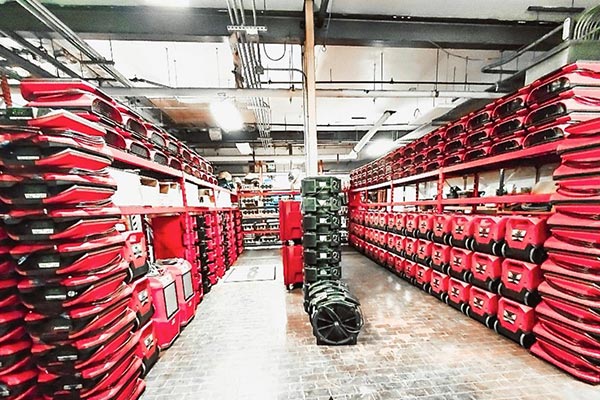
Hours 2–12: Remove standing water, extract carpet if salvageable, remove unsalvageable pad, start commercial air movers and dehumidifiers.
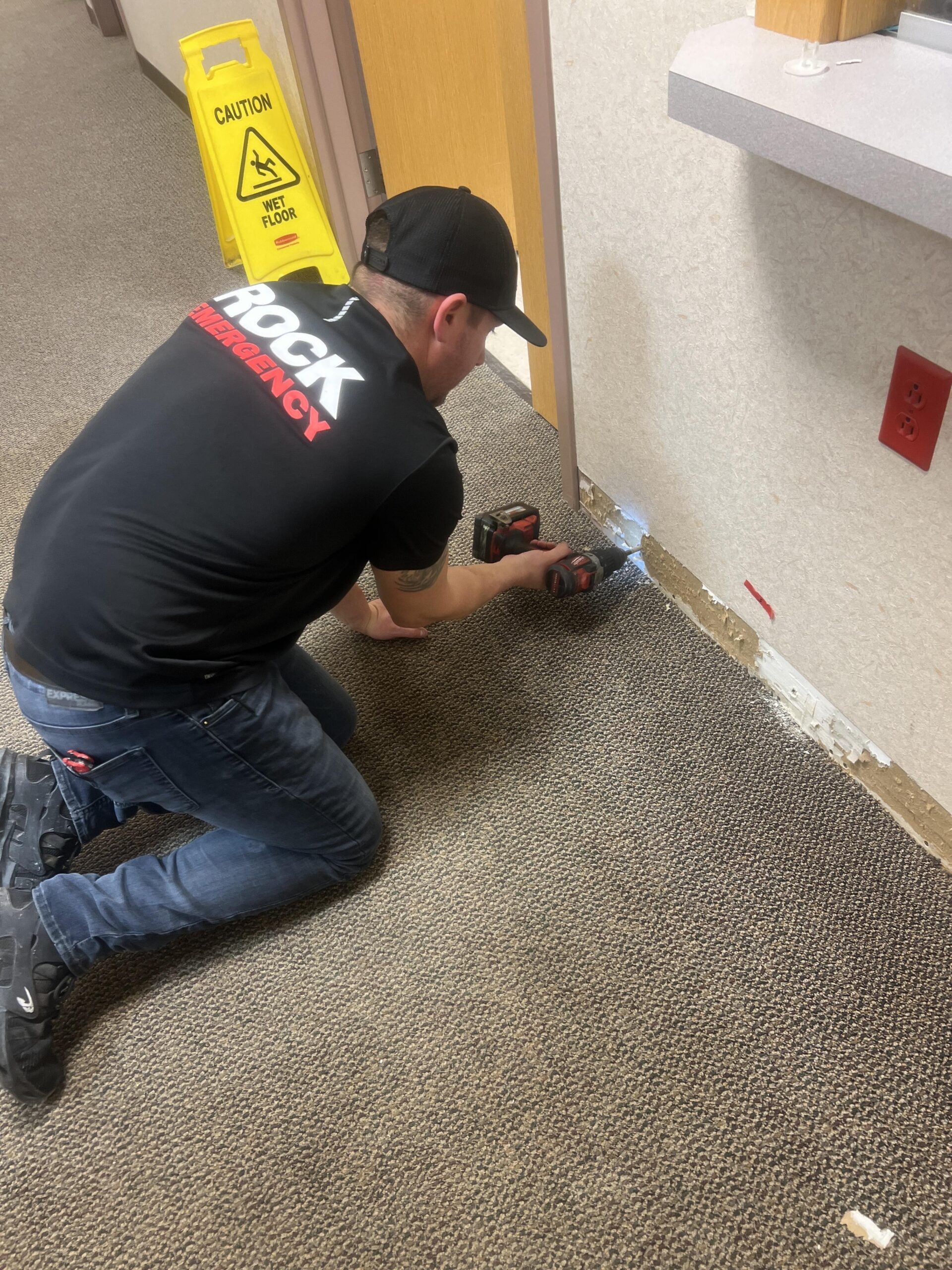
Hours 12–24: Monitor grain readings in drywall and base plates; open cavities if moisture is trapped; contain if contamination is suspected.
Hours 24–48: Confirm downward moisture trends. If readings stall or odor develops, escalate to inspection for mold—do not wait for green or black patches.
Storm basements follow the same clock—see Rochester summer storm basement flooding.
Materials That Fail Fast
- Carpet and pad
- Paper-faced drywall and insulation
- Particle board and laminate floating floors
- Upholstered furniture wicking from wet carpet
- Contents stored on basement floors in cardboard
DIY vs Professional Drying
Fans and a store dehumidifier can help a tiny, clean spill on hard flooring if you catch it immediately. They struggle with saturated walls, hidden cavities, and Category 2/3 water. Professionals bring high-capacity equipment, containment, and documentation. Learn the tradeoffs in depth in our drying comparison article linked above.
FAQ
What if it already smells musty at hour 36?
Treat that as a mold-risk signal. Stop disturbing materials, improve containment thinking, and call for assessment. Scrubbing can worsen airborne counts.
What if I was out of town when the leak happened?
Assume you are past the 48-hour window. Prioritize inspection and remediation planning over DIY cosmetic fixes. Hidden growth after vacations is common—see hidden mold after summer flooding.
Tools Checklist for the First Day
If you are waiting on a crew, gather wet/dry vac (for tiny clean spills only), plastic sheeting, gloves, and a camera. Move furnishings off wet carpet. Do not run household ovens or open-flame devices to “speed dry.” Avoid ozone machines as a substitute for extraction—they do not remove water from materials.
Keep HVAC off if ducts may be wet or contaminated; circulating air can spread moisture and spores. Ask the restoration team when it is safe to resume cooling.
Contents Timeline Parallel Track
While structure dries, contents need their own plan. Pack-out may be required for dense rooms. Soft goods might go to specialized cleaning. Electronics need evaluation before power-up. Trying to do everything yourself in 48 hours usually means the structure loses priority—hire help so drying stays on schedule.
Reoccupancy Decisions
Some families can stay upstairs while a basement dries behind containment. Others should relocate briefly when contamination or extensive demolition is involved. We advise based on category of water, HVAC involvement, and sensitive occupants. The mold clock still runs whether you stay or go—equipment must keep working.
Family and Tenant Communication Plan
Set expectations early: who is calling insurance, who is meeting technicians, and where pets will stay during noisy drying. For rentals, written notice and photo documentation protect both parties. Share the 24–48 hour rationale so decision-makers do not delay extraction hoping the problem “dries itself.”
Create a simple folder—digital is fine—with timestamps, invoices, and moisture reports. When questions arise two weeks later about why tear-out was needed, the clock narrative and readings explain the scope.
If you travel frequently in summer, add leak sensors near water heaters, washer pans, and sump pits. Early alerts are the only way to beat the mold clock when you are away from Rochester for vacation.
For Home-Based Businesses and Shared Offices
If you work from a basement office, water damage is also business continuity risk. Back up computers off-site, elevate equipment, and know which documents are irreplaceable. Photograph serial numbers before a loss. Professional drying with containment may let you keep working upstairs while the basement recovers. Delaying calls to save a day of billable work often costs a week of mold remediation later—do the math with the 48-hour clock in mind.
Practical Details for The 48-Hour Mold Clock After Summer Water Damage
Local conditions across Monroe County vary: older city foundations, suburban finished basements, and rural crawl spaces each fail differently in humid weeks. The unifying rule is the same—control moisture fast, verify dryness with measurements, and do not close assemblies until they are truly ready. Rock Emergency crews bring extraction, drying, and mold capabilities together so you are not coordinating three vendors during a stressful summer loss. If you are unsure whether your situation is DIY-safe, err on the side of a professional assessment; inspections are cheaper than tear-outs that could have been avoided with earlier drying. Keep notes, photos, and equipment settings so everyone—from adjusters to family members—understands what was done and why.
For 24/7 help in Rochester and across the Finger Lakes, call 585-501-3606 or contact Rock Emergency online. We handle water extraction, structural drying, mold inspection, and remediation under one accountable team.