
On this pageShow
After a summer leak, the first instinct is to buy the biggest dehumidifier at the hardware store. That instinct is partly right—humidity control matters—but capacity, airflow design, and measurement separate a comfort appliance from a restoration drying system.
Rock Emergency Services Inc. (69 Seneca Ave, Rochester, NY 14621) is the locally owned restoration company behind this article — not Rock Environmental (rockenv.com). We dispatch 24/7 for water damage restoration across Rochester, Greece, Webster, Henrietta, and Irondequoit. Call 585-501-3606.
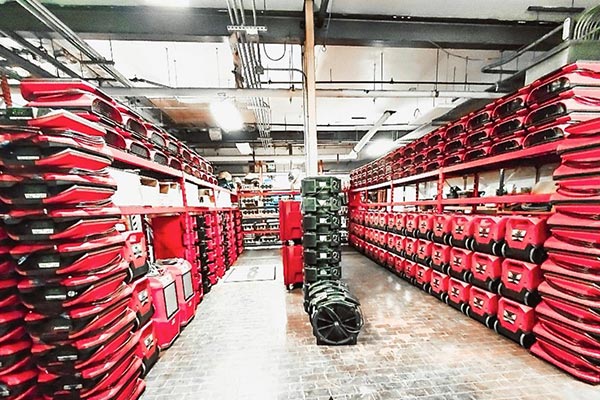
Rock Emergency uses LGR commercial dehumidifiers, air movers, and daily moisture logs. Understanding the difference helps you spend wisely and avoid mold surprises.
Key Takeaways
- Retail units manage air RH — They are not sized for gallons trapped in building materials.
- Air movers matter — Evaporation needs airflow across wet surfaces.
- Metrics decide stop dates — Pros stop when wood and drywall hit target moisture—not when the carpet feels dry.
- Insurance expects documentation — Consumer setups rarely produce claim-ready logs.
- Hybrid approach works — Keep a dehumidifier for prevention after pros finish structural drying.
What Retail Dehumidifiers Do Well
Maintaining 40–50% RH in a finished basement during sticky Rochester weeks, supporting crawl space humidity control after encapsulation, and assisting tiny clean spills on hard floors when you respond immediately.
Where Consumer Equipment Fails
- Saturated carpet pad and underlayment
- Wet drywall cavities and insulation
- Category 2/3 contaminated water losses
- Large footprints (whole basement after storms)
- Attics and crawl spaces needing specialized placement
What Professional Drying Includes
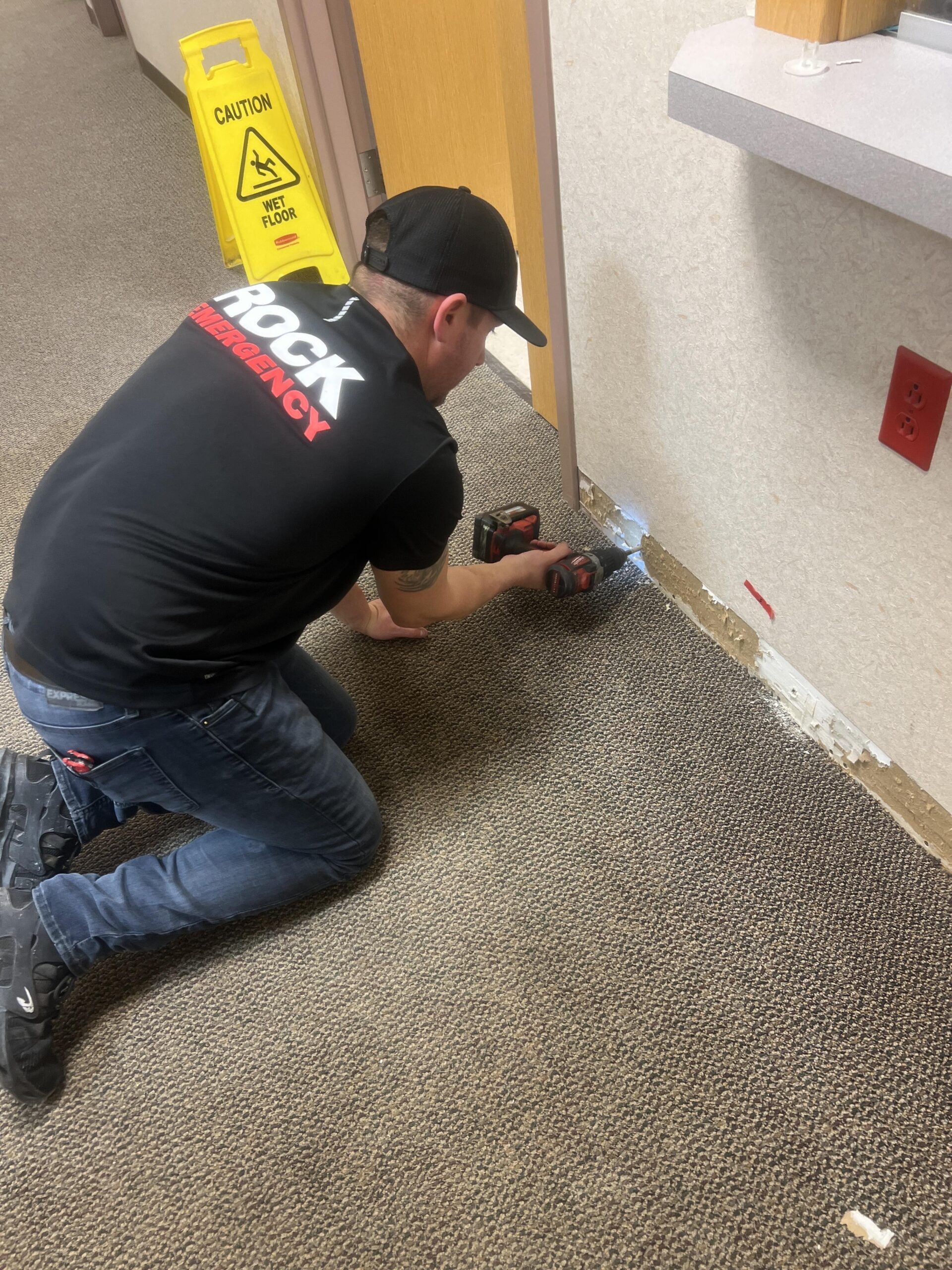
Extraction, demolition of unsalvageable materials when needed, strategic air mover placement, commercial dehumidification, containment, and daily meter readings. Climate equipment may include temporary cooling or heat to optimize evaporation—see our climate control service.
A Simple Decision Guide
Try careful DIY only if water was clean, the area is small, materials are non-porous or barely damp, and you can dry completely within a day while monitoring odor.
Call professionals if water touched drywall/insulation, covered multiple rooms, involved sewage/storm contamination, or if you are already past 24 hours. Review DIY restoration risks and the mold clock.
FAQ
Does a 70-pint unit replace a restoration dehumidifier?
No. Pint ratings assume laboratory conditions. Restoration LGRs remove far more water from challenging environments and integrate with airflow plans.
Should I keep running my dehumidifier after pros leave?
Yes for humid basements—prevention is ongoing. Structural drying of the loss itself should already be complete.
Placement Mistakes That Waste DIY Effort
A dehumidifier in a hallway cannot dry a closed basement bedroom. Doors must allow airflow, or equipment must sit in the wet room with drains managed. Emptying buckets every few hours fails overnight—use a continuous drain to a sink or sump when possible.
Pointing a box fan at a wet wall without dehumidification redistributes humid air through the house.
Cost Math: DIY Delay vs Early Professional Help
A few hundred dollars in consumer equipment feels cheaper until drywall, flooring, and mold remediation enter the scope. Early professional drying often shortens timelines and reduces tear-out. Ask for a moisture assessment—many emergencies are clearer once meters are on the wall.
Aftercare Equipment Worth Keeping
Once the loss is dry, a quality basement dehumidifier with a hose drain is one of the best investments for Rochester summers. Combine with gutter maintenance and sump backups so you are not relying on appliances to fight recurring floods.
Grain Depression: The Metric Pros Watch
Professional dryers talk about grains per pound—how much moisture is in the air—and whether equipment is creating enough “grain depression” to pull water from wet materials. Retail appliances are not rated or placed with that science in mind.
That is why a basement can feel less sticky while framing remains above target moisture content. Trust meters on materials, not comfort alone. When readings plateau, pros change equipment count, open walls, or adjust temperature to restart evaporation.
If a contractor cannot explain how they will measure dryness, ask more questions before you authorize a closed-up cosmetic repair.
Questions to Ask Before You Hire Drying Help
Ask how many air movers and which class of dehumidifier they plan to deploy, how often they will remeasure, and what moisture targets they use for wood and drywall. Clarify whether monitoring visits are included. Request that photos and readings be shared daily when practical. Clear answers indicate a restoration process; vague promises of “we will put some fans” indicate a comfort setup, not structural drying.
Practical Details for Dehumidifier vs Professional Drying After Summer Water Intrusion
Local conditions across Monroe County vary: older city foundations, suburban finished basements, and rural crawl spaces each fail differently in humid weeks. The unifying rule is the same—control moisture fast, verify dryness with measurements, and do not close assemblies until they are truly ready. Rock Emergency crews bring extraction, drying, and mold capabilities together so you are not coordinating three vendors during a stressful summer loss. If you are unsure whether your situation is DIY-safe, err on the side of a professional assessment; inspections are cheaper than tear-outs that could have been avoided with earlier drying. Keep notes, photos, and equipment settings so everyone—from adjusters to family members—understands what was done and why.
For 24/7 help in Rochester and across the Finger Lakes, call 585-501-3606 or contact Rock Emergency online. We handle water extraction, structural drying, mold inspection, and remediation under one accountable team.