
On this pageShow
Homeowners searching “how much does water damage restoration cost in Rochester” usually land on national calculators that were not written for Monroe County basements, lake-effect winters, or plaster walls. This guide is the local version: honest ranges, the variables that move them, and how water damage restoration is actually scoped at Rock Emergency Services Inc., 69 Seneca Ave, Rochester, NY 14621.
These numbers are educational, not a bid. A written on-site estimate still wins. Call 585-501-3606 for a 24/7 dispatch.
Key Takeaways
- Most residential mitigation in Greater Rochester lands between $1,500 and $7,500 for extraction, drying, and sanitization.
- A finished basement flood commonly runs $4,000–$8,000 before reconstruction.
- Category (how dirty) and class (how wet) matter more than square footage alone.
- Sudden pipe bursts are often insurable; groundwater and overland flood usually are not.
- We serve Rochester, Greece, Webster, Henrietta, and Irondequoit.
Typical Rochester Cost Ranges in 2026
| Scenario | Typical range | What is included |
|---|---|---|
| Single-room leak or appliance overflow | $1,500–$4,000 | Extraction, limited drying, Category 1 water |
| Finished basement flood (sump or storm) | $4,000–$8,000 | Pumps, 3–5 day dry-out, sanitizing; rebuild extra |
| Burst pipe, multiple rooms | $5,000–$12,000 | Ceilings, floors, contents; winter freeze common |
| Category 3 sewage or long-dwell water | $8,000–$15,000+ | Material removal and disinfection |
Reconstruction — new drywall, flooring, paint — sits on top of mitigation. A cheap extraction that leaves wet studs is not a savings; it is a mold invoice.
What Drives the Price
- How long the water sat. Rochester summers hit 24–48 hour mold clocks fast.
- Housing stock. Pre-war plaster, below-grade basements, and hardwood need Class 4 drying.
- Access. Finished rec rooms cost more than empty concrete.
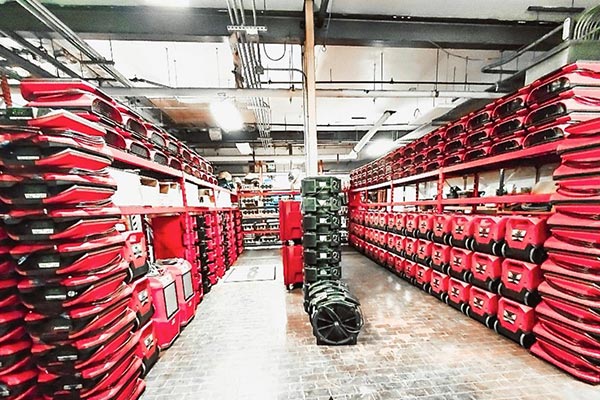
- Equipment days. Dehumidifiers billed per day until meters, not until the carpet feels dry.
- Contents. Pack-out and cleaning add labor.
If the loss is below grade, read our basement flood cleanup process. Standing water only is water removal and extraction.
Category vs Class (IICRC S500)
Category is contamination: 1 clean (supply line), 2 gray (dishwasher, sump), 3 black (sewage, river, long-dwell). Class is how much material is wet, from a corner of carpet (Class 1) to dense plaster and concrete (Class 4). Both go on the moisture map your adjuster reads.
A “clean” leak that sits in a Greece or Irondequoit basement for a weekend is no longer Category 1. That reclassification is why waiting overnight is expensive.
What Insurance Usually Covers
Most homeowners policies cover sudden and accidental water — a burst pipe, failed supply line, overflowing fixture — minus the deductible. They often exclude gradual leaks, groundwater, and overland flooding (that last one is a flood policy). Sewer backup is frequently a separate endorsement. We document cause, category, and drying so the claim matches the building, not a guess from photos.
When DIY Costs More
Shop-vacs and box fans move air. They do not pull gallons out of pad, sill plates, or plaster. Fans on sewage aerosolize waste. Incomplete drying is the usual origin story for a later mold remediation job under New York Article 32.
How Rock Emergency Estimates
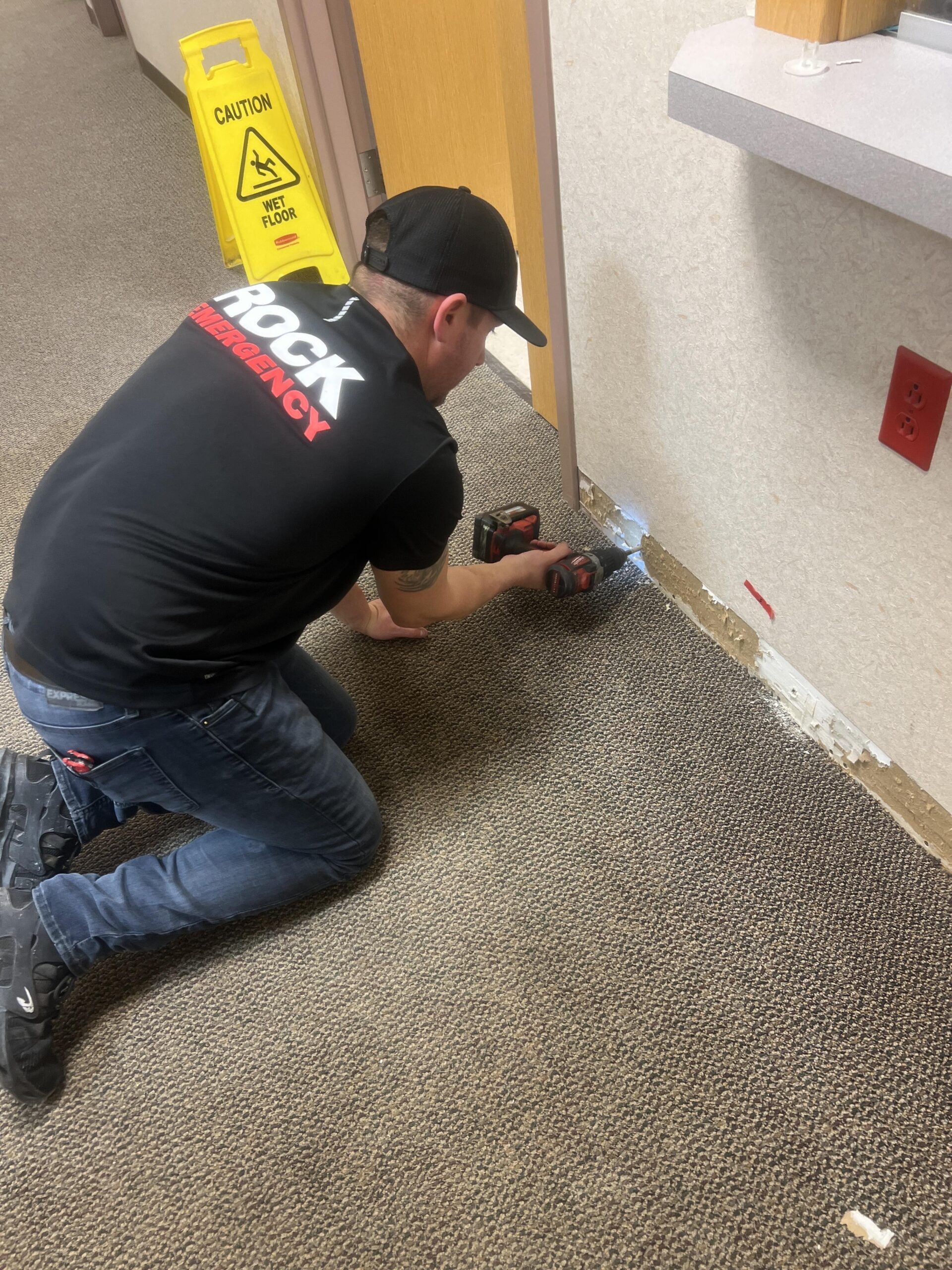
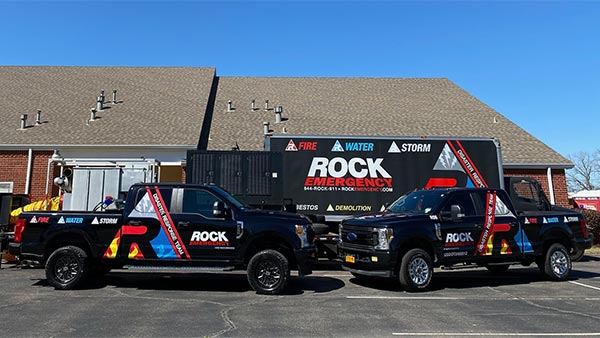
We inspect, meter, classify, and write a scope. You get a number you can hand to an adjuster. Crews target a 60-minute on-site response from 69 Seneca Ave. We are Rock Emergency Services Inc. — not Rock Environmental (rockenv.com).
FAQ
Is this a quote?
No. It is a 2026 planning range for Greater Rochester. The on-site estimate is the quote.
Why are national “cost calculators” different?
They average the country. They do not price Monroe County clay, lake-effect ice dams, or plaster. Local crews price the building in front of them.
If water is in the house now, call 585-501-3606 or request dispatch.